Japanese DictionaryYour picture dictionary
188,000+ words4,000+ example sentences4,000+ words with picturesKanji and kana
Showing results for search: あの
Page 1 of 3
Showing 1 to 50 of 144 results
あのあの
あの
あの
Show answer(Space)
Suspend(@)
あのあの
あの
あの
ano
Common
Relative commonness of this word, based on various sources (incl. newspapers)
CommonJLPT N5
Kanji difficulty according to the Japanese Language Proficiency Test. N5 is easiest and N1 is hardest
JLPT N5Interjection (kandoushi)
Interjection (kandoushi)
Interjection (kandoushi)say; well; um; er
あの
あの
ano
say; well; um; er

彼あの彼あの
彼
あ
の
彼
あ
の
Show answer(Space)
Suspend(@)

Ano: Photo by Andrea Piacquadio on Pexels
彼あの彼あの
彼
あ
の
彼
あ
の
ano
Common
Relative commonness of this word, based on various sources (incl. newspapers)
CommonGenki Ch. 2
Appears in chapter 2 of the Genki textbook
Genki Ch. 2pre-noun adj. (rentaishi)
pre-noun adjectival (rentaishi)
pre-noun adj. (rentaishi)Written w/ kanji only
Word usually written using kana alone
Written w/ kanji onlyAno: Photo by Andrea Piacquadio on Pexels
彼
あ
の
彼
あ
の
ano
that; those; the
人ひと人ひと
人
ひと
人
ひと
Show answer(Space)
Suspend(@)

Hito: Photo by Deden Dicky Ramdhani on Pexels
人ひと人ひと
人
ひと
人
ひと
hito
Common
Relative commonness of this word, based on various sources (incl. newspapers)
CommonGenki Ch. 4
Appears in chapter 4 of the Genki textbook
Genki Ch. 4Noun (common)
Noun (common) (futsuumeishi)
Noun (common)Kumadex Intro Vocab eBook
Appears in the "Kumadex Introductory Japanese Vocab" eBook
Kumadex Intro Vocab eBookman; person
EXAMPLEあの人誰?Who is that person?human being; mankind; people
EXAMPLE人それぞれ。There's all kinds of people.human (Homo sapiens); humans as a species
Written w/ kanji onlyWord usually written using kana aloneWritten w/ kanji onlycharacter; personality
EXAMPLE彼は味のある人だ。He is quite a character.man of talent; true man
another person; other people; others
EXAMPLE人の悪口を言うな。Don't speak ill of others.adult
Hito: Photo by Deden Dicky Ramdhani on Pexels
人
ひと
人
ひと
hito
man; person
上じょう上じょう
上
じょう
上
じょう
Show answer(Space)
Suspend(@)
上じょう上じょう
上
じょう
上
じょう
jou
Common
Relative commonness of this word, based on various sources (incl. newspapers)
Commonfrom the standpoint of; as a matter of (e.g. fact); in the field of; being of the type of
Noun, as suffixNoun, used as a suffixNoun, as suffixaboard (a ship or vehicle); on top of; on; above
Noun, as suffixNoun, used as a suffixNoun, as suffixsuperior quality; best; top; high class
Noun (common)Noun (common) (futsuumeishi)Noun (common)PrefixPrefixPrefixgoing up
Noun (common)Noun (common) (futsuumeishi)Noun (common)PrefixPrefixPrefixgovernmental; imperial
Noun (common)Noun (common) (futsuumeishi)Noun (common)PrefixPrefixPrefixpresenting; showing
Noun (common)Noun (common) (futsuumeishi)Noun (common)PrefixPrefixPrefix
上
じょう
上
じょう
jou
from the standpoint of; in the field of
気き気き
気
き
気
き
Show answer(Space)
Suspend(@)

Ki: Photo by Ekaterina Bolovtsova on Pexels
Ki: Photo by Ekaterina Bolovtsova on Pexels
気
き
気
き
ki
spirit; mind; heart
彼かれ彼かれ
彼
かれ
彼
かれ
Show answer(Space)
Suspend(@)

彼かれ彼かれ
彼
かれ
彼
かれ
kare
Common
Relative commonness of this word, based on various sources (incl. newspapers)
CommonJLPT N3
Kanji difficulty according to the Japanese Language Proficiency Test. N5 is easiest and N1 is hardest
JLPT N3JLPT N4
Kanji difficulty according to the Japanese Language Proficiency Test. N5 is easiest and N1 is hardest
JLPT N4JLPT N5
Kanji difficulty according to the Japanese Language Proficiency Test. N5 is easiest and N1 is hardest
JLPT N5Genki Ch. 12
Appears in chapter 12 of the Genki textbook
Genki Ch. 12boyfriend
Noun (common)Noun (common) (futsuumeishi)Noun (common)EXAMPLE彼氏はいますか?Do you have a boyfriend?Related:彼氏
会かい社しゃ会かい社しゃ
会
かい
社
しゃ
会
かい
社
しゃ
Show answer(Space)
Suspend(@)

Kaisha: Photo by Expect Best on Pexels
会かい社しゃ会かい社しゃ
会
かい
社
しゃ
会
かい
社
しゃ
kaisha
Common
Relative commonness of this word, based on various sources (incl. newspapers)
CommonJLPT N5
Kanji difficulty according to the Japanese Language Proficiency Test. N5 is easiest and N1 is hardest
JLPT N5Genki Ch. 7
Appears in chapter 7 of the Genki textbook
Genki Ch. 7Noun (common)
Noun (common) (futsuumeishi)
Noun (common)Kumadex Intro Vocab eBook
Appears in the "Kumadex Introductory Japanese Vocab" eBook
Kumadex Intro Vocab eBookArtwork/literature/music name
Work of art, literature, music, etc. name
Artwork/literature/music namecompany; corporation
EXAMPLE私は、旅行会社に勤めています。I work for a travel agency.workplace
EXAMPLE会社で怒られたI was told off at work
Kaisha: Photo by Expect Best on Pexels
会
かい
社
しゃ
会
かい
社
しゃ
kaisha
company; corporation
人にん間げん人にん間げん
人
にん
間
げん
人
にん
間
げん
Show answer(Space)
Suspend(@)

Ningen: Photo by Yogendra Singh on Pexels
人にん間げん人にん間げん
人
にん
間
げん
人
にん
間
げん
ningen
Common
Relative commonness of this word, based on various sources (incl. newspapers)
CommonJLPT N2
Kanji difficulty according to the Japanese Language Proficiency Test. N5 is easiest and N1 is hardest
JLPT N2Noun (common)
Noun (common) (futsuumeishi)
Noun (common)human being; human; person; man; mankind; humankind
EXAMPLE俺は人間だ。I'm a human.character (of a person)
EXAMPLEあの人は,人間ができているThat person has good character (mature, kind, well-balanced)
Ningen: Photo by Yogendra Singh on Pexels
人
にん
間
げん
人
にん
間
げん
ningen
human being; human; person; man; mankind
地ち域いき地ち域いき
地
ち
域
いき
地
ち
域
いき
Show answer(Space)
Suspend(@)
地ち域いき地ち域いき
地
ち
域
いき
地
ち
域
いき
chiiki
Common
Relative commonness of this word, based on various sources (incl. newspapers)
CommonJLPT N3
Kanji difficulty according to the Japanese Language Proficiency Test. N5 is easiest and N1 is hardest
JLPT N3Noun (common)
Noun (common) (futsuumeishi)
Noun (common)area; region
EXAMPLEあの地域には入るな。Don't go into that area.
地
ち
域
いき
地
ち
域
いき
chiiki
area; region
用よう用よう
用
よう
用
よう
Show answer(Space)
Suspend(@)
用よう用よう
用
よう
用
よう
you
Common
Relative commonness of this word, based on various sources (incl. newspapers)
Commonbusiness; task; errand; engagement
Noun (common)Noun (common) (futsuumeishi)Noun (common)use; purpose
Noun (common)Noun (common) (futsuumeishi)Noun (common)for the use of ...; used for ...; made for ...
Noun, as suffixNoun, used as a suffixNoun, as suffix
用
よう
用
よう
you
business; task; errand; engagement
サービスサービス
サービス
サービス
Show answer(Space)
Suspend(@)
サービスサービス
サービス
サービス
saabisu
Common
Relative commonness of this word, based on various sources (incl. newspapers)
CommonJLPT N5
Kanji difficulty according to the Japanese Language Proficiency Test. N5 is easiest and N1 is hardest
JLPT N5Noun (common)
Noun (common) (futsuumeishi)
Noun (common)service; help; assistance; care; concern
Noun/participle taking aux. verb するNoun or participle which takes the aux. verb suruNoun/participle taking aux. verb するEXAMPLEあの店はサービスが良い。That store gives good service.discount; discounted item
Noun/participle taking aux. verb するNoun or participle which takes the aux. verb suruNoun/participle taking aux. verb するfree service; freebie; gift
Noun/participle taking aux. verb するNoun or participle which takes the aux. verb suruNoun/participle taking aux. verb するservice; utility; amenity; resource
(after-sales) service; servicing; (product) maintenance
Noun/participle taking aux. verb するNoun or participle which takes the aux. verb suruNoun/participle taking aux. verb する
サービス
サービス
saabisu
service; help; assistance; care; concern
組そ織しき組そ織しき
組
そ
織
しき
組
そ
織
しき
Show answer(Space)
Suspend(@)
組そ織しき組そ織しき
組
そ
織
しき
組
そ
織
しき
soshiki
Common
Relative commonness of this word, based on various sources (incl. newspapers)
CommonJLPT N2
Kanji difficulty according to the Japanese Language Proficiency Test. N5 is easiest and N1 is hardest
JLPT N2Noun (common)
Noun (common) (futsuumeishi)
Noun (common)organization; organisation; formation
Noun/participle taking aux. verb するNoun or participle which takes the aux. verb suruNoun/participle taking aux. verb するEXAMPLEあの組織は根から、腐っている。That organization is corrupt to its core.structure; construction; setup; constitution
Noun/participle taking aux. verb するNoun or participle which takes the aux. verb suruNoun/participle taking aux. verb するsystem (e.g. railroad, transport, party, etc.)
tissue
weave (of a fabric)
Noun/participle taking aux. verb するNoun or participle which takes the aux. verb suruNoun/participle taking aux. verb する
組
そ
織
しき
組
そ
織
しき
soshiki
organization; organisation; formation
女おんな女おんな
女
おんな
女
おんな
Show answer(Space)
Suspend(@)

Onna: Photo by Ivaan Ardiansyah on Pexels
女おんな女おんな
女
おんな
女
おんな
onna
Common
Relative commonness of this word, based on various sources (incl. newspapers)
CommonNoun (common)
Noun (common) (futsuumeishi)
Noun (common)Kumadex Intro Vocab eBook
Appears in the "Kumadex Introductory Japanese Vocab" eBook
Kumadex Intro Vocab eBookfemale; woman
Noun, as prefixNoun, used as a prefixNoun, as prefixEXAMPLEあの女の人は誰ですか?Who is that woman?Related:男female lover; girlfriend; mistress; (someone's) woman
Onna: Photo by Ivaan Ardiansyah on Pexels
女
おんな
女
おんな
onna
female; woman
男だん性せい男だん性せい
男
だん
性
せい
男
だん
性
せい
Show answer(Space)
Suspend(@)

男だん性せい男だん性せい
男
だん
性
せい
男
だん
性
せい
dansei
Common
Relative commonness of this word, based on various sources (incl. newspapers)
CommonJLPT N3
Kanji difficulty according to the Japanese Language Proficiency Test. N5 is easiest and N1 is hardest
JLPT N3JLPT N4
Kanji difficulty according to the Japanese Language Proficiency Test. N5 is easiest and N1 is hardest
JLPT N4Noun (common)
Noun (common) (futsuumeishi)
Noun (common)の-adj.
Nouns which may take the genitive case particle 'no'
の-adj.Kumadex Intro Vocab eBook
Appears in the "Kumadex Introductory Japanese Vocab" eBook
Kumadex Intro Vocab eBookman; male
EXAMPLEあの男性は誰ですか。Who is that man?masculine gender
イメージイメージ
イメージ
イメージ
Show answer(Space)
Suspend(@)
イメージイメージ
イメージ
イメージ
imeeji
Common
Relative commonness of this word, based on various sources (incl. newspapers)
CommonNoun (common)
Noun (common) (futsuumeishi)
Noun (common)image (in one's mind); impression; mental image; (mental) picture
Noun/participle taking aux. verb するNoun or participle which takes the aux. verb suruNoun/participle taking aux. verb する(computer) image
depiction (e.g. of a product); rendition; impression
イメージ
イメージ
imeeji
image (in one's mind); impression
方かた々がた方かた々がた
方
かた
々
がた
方
かた
々
がた
Show answer(Space)
Suspend(@)
方かた々がた方かた々がた
方
かた
々
がた
方
かた
々
がた
katagata
Common
Relative commonness of this word, based on various sources (incl. newspapers)
CommonJLPT N1
Kanji difficulty according to the Japanese Language Proficiency Test. N5 is easiest and N1 is hardest
JLPT N1people; (all) persons; everyone; ladies and gentlemen
Noun (common)Noun (common) (futsuumeishi)Noun (common)Honorific/respectful lang.Honorific or respectful (sonkeigo) languageHonorific/respectful lang.you (usu. plural)
Noun (common)Noun (common) (futsuumeishi)Noun (common)Honorific/respectful lang.Honorific or respectful (sonkeigo) languageHonorific/respectful lang.various
AdverbAdverb (fukushi)Adverb
方
かた
々
がた
方
かた
々
がた
katagata
people; (all) persons; everyone
使つかい使つかい
使
つか
い
使
つか
い
Show answer(Space)
Suspend(@)
使つかい使つかい
使
つか
い
使
つか
い
tsukai
Common
Relative commonness of this word, based on various sources (incl. newspapers)
Commonmessenger; bearer; errand boy; errand girl
Noun (common)Noun (common) (futsuumeishi)Noun (common)use; usage; user; trainer; tamer; charmer
Noun, as suffixNoun, used as a suffixNoun, as suffixNoun, as prefixNoun, used as a prefixNoun, as prefixRelated:魔法使い
使
つか
い
使
つか
い
tsukai
errand; mission; going as envoy
買かい買かい
買
か
い
買
か
い
Show answer(Space)
Suspend(@)
買かい買かい
買
か
い
買
か
い
kai
Common
Relative commonness of this word, based on various sources (incl. newspapers)
CommonNoun (common)
Noun (common) (futsuumeishi)
Noun (common)buying; shopping
buyer
purchase
買
か
い
買
か
い
kai
buying; shopping
少しょう年ねん少しょう年ねん
少
しょう
年
ねん
少
しょう
年
ねん
Show answer(Space)
Suspend(@)

Shounen: Photo by Ketut Subiyanto on Pexels
少しょう年ねん少しょう年ねん
少
しょう
年
ねん
少
しょう
年
ねん
shounen
Common
Relative commonness of this word, based on various sources (incl. newspapers)
CommonJLPT N2
Kanji difficulty according to the Japanese Language Proficiency Test. N5 is easiest and N1 is hardest
JLPT N2Noun (common)
Noun (common) (futsuumeishi)
Noun (common)boy; juvenile; young boy; youth; lad
Shounen: Photo by Ketut Subiyanto on Pexels
少
しょう
年
ねん
少
しょう
年
ねん
shounen
boy; juvenile; young boy; youth; lad
建たて物もの建たて物もの
建
たて
物
もの
建
たて
物
もの
Show answer(Space)
Suspend(@)

Tatemono: Photo by Ricardo Esquivel on Pexels
建たて物もの建たて物もの
建
たて
物
もの
建
たて
物
もの
tatemono
Common
Relative commonness of this word, based on various sources (incl. newspapers)
CommonJLPT N5
Kanji difficulty according to the Japanese Language Proficiency Test. N5 is easiest and N1 is hardest
JLPT N5Noun (common)
Noun (common) (futsuumeishi)
Noun (common)Kumadex Intro Vocab eBook
Appears in the "Kumadex Introductory Japanese Vocab" eBook
Kumadex Intro Vocab eBookbuilding
EXAMPLEあの建物は何ですか?What's that building?
Tatemono: Photo by Ricardo Esquivel on Pexels
建
たて
物
もの
建
たて
物
もの
tatemono
building
番ばん番ばん
番
ばん
番
ばん
Show answer(Space)
Suspend(@)
番ばん番ばん
番
ばん
番
ばん
ban
Common
Relative commonness of this word, based on various sources (incl. newspapers)
Commonnumber (in a series)
Noun (common)Noun (common) (futsuumeishi)Noun (common)Noun, as suffixNoun, used as a suffixNoun, as suffix(one's) turn
Noun (common)Noun (common) (futsuumeishi)Noun (common)watch; guard; lookout
Noun (common)Noun (common) (futsuumeishi)Noun (common)rank; standing; position
Noun, as suffixNoun, used as a suffixNoun, as suffixbout; match
Noun (common)Noun (common) (futsuumeishi)Noun (common)Noun, as suffixNoun, used as a suffixNoun, as suffixpieces (in a collection)
Noun, as suffixNoun, used as a suffixNoun, as suffix
番
ばん
番
ばん
ban
number (in a series)
二ふたつ二ふたつ
二
ふた
つ
二
ふた
つ
Show answer(Space)
Suspend(@)

Futatsu: Photo by Miguel Á. Padriñán on Pexels
二ふたつ二ふたつ
二
ふた
つ
二
ふた
つ
futatsu
Common
Relative commonness of this word, based on various sources (incl. newspapers)
CommonGenki Ch. 9
Appears in chapter 9 of the Genki textbook
Genki Ch. 9Numeric
Numeric
NumericKumadex Intro Vocab eBook
Appears in the "Kumadex Introductory Japanese Vocab" eBook
Kumadex Intro Vocab eBooktwo
EXAMPLE席が二つ空いていた。Two seats were vacant.
Futatsu: Photo by Miguel Á. Padriñán on Pexels
二
ふた
つ
二
ふた
つ
futatsu
two
積せっ極きょく積せっ極きょく
積
せっ
極
きょく
積
せっ
極
きょく
Show answer(Space)
Suspend(@)
積せっ極きょく積せっ極きょく
積
せっ
極
きょく
積
せっ
極
きょく
sekkyoku
Common
Relative commonness of this word, based on various sources (incl. newspapers)
CommonPrenominal noun/verb
Noun or verb acting prenominally
Prenominal noun/verbactive; positive; progressive
積
せっ
極
きょく
積
せっ
極
きょく
sekkyoku
active; positive; progressive
シーンシーン
シーン
シーン
Show answer(Space)
Suspend(@)
シーンシーン
シーン
シーン
shiin
Common
Relative commonness of this word, based on various sources (incl. newspapers)
CommonNoun (common)
Noun (common) (futsuumeishi)
Noun (common)scene; sight
Noun, as suffixNoun, used as a suffixNoun, as suffixscenario; setting
シーン
シーン
shiin
scene; sight
世せ代だい世せ代だい
世
せ
代
だい
世
せ
代
だい
Show answer(Space)
Suspend(@)
世せ代だい世せ代だい
世
せ
代
だい
世
せ
代
だい
sedai
Common
Relative commonness of this word, based on various sources (incl. newspapers)
CommonJLPT N2
Kanji difficulty according to the Japanese Language Proficiency Test. N5 is easiest and N1 is hardest
JLPT N2Noun (common)
Noun (common) (futsuumeishi)
Noun (common)の-adj.
Nouns which may take the genitive case particle 'no'
の-adj.generation; the world; the age
EXAMPLEあの人たちは同じ世代です。Those men are of the same generation.
世
せ
代
だい
世
せ
代
だい
sedai
generation; the world; the age
王おう王おう
王
おう
王
おう
Show answer(Space)
Suspend(@)
王おう王おう
王
おう
王
おう
ou
Common
Relative commonness of this word, based on various sources (incl. newspapers)
CommonNoun (common)
Noun (common) (futsuumeishi)
Noun (common)Noun, as suffix
Noun, used as a suffix
Noun, as suffixking; ruler; sovereign; monarch
tycoon; magnate; champion; master
王
おう
王
おう
ou
king; ruler; sovereign; monarch
パワーパワー
パワー
パワー
Show answer(Space)
Suspend(@)
パワーパワー
パワー
パワー
pawaa
Common
Relative commonness of this word, based on various sources (incl. newspapers)
CommonJLPT N3
Kanji difficulty according to the Japanese Language Proficiency Test. N5 is easiest and N1 is hardest
JLPT N3Noun (common)
Noun (common) (futsuumeishi)
Noun (common)power
EXAMPLEあの野球選手は、パワーありますね。That baseball player has power, doesn't he.
パワー
パワー
pawaa
power
石せき油ゆ石せき油ゆ
石
せき
油
ゆ
石
せき
油
ゆ
Show answer(Space)
Suspend(@)

石せき油ゆ石せき油ゆ
石
せき
油
ゆ
石
せき
油
ゆ
sekiyu
Common
Relative commonness of this word, based on various sources (incl. newspapers)
CommonJLPT N4
Kanji difficulty according to the Japanese Language Proficiency Test. N5 is easiest and N1 is hardest
JLPT N4Noun (common)
Noun (common) (futsuumeishi)
Noun (common)oil; petroleum
EXAMPLEあの国は石油が豊富だ。That country is abundant in oil.kerosene; paraffin
ColloquialismColloquialismColloquialismEXAMPLEこのストーブは石油を燃料とする。This stove uses kerosene as fuel.Related:灯油
まいまい
まい
まい
Show answer(Space)
Suspend(@)
まいまい
まい
まい
mai
Common
Relative commonness of this word, based on various sources (incl. newspapers)
CommonAux.
Auxiliary
Aux.probably isn't (doesn't, won't, etc.)
don't (doesn't) intend to; intend not to
must not; (when used in an imperative sentence) don't
まい
まい
mai
probably isn't (doesn't, won't, etc.)
怖こわい怖こわい
怖
こわ
い
怖
こわ
い
Show answer(Space)
Suspend(@)

Kowai: Photo by Andrea Piacquadio on Pexels
怖こわい怖こわい
怖
こわ
い
怖
こわ
い
kowai
Common
Relative commonness of this word, based on various sources (incl. newspapers)
CommonJLPT N4
Kanji difficulty according to the Japanese Language Proficiency Test. N5 is easiest and N1 is hardest
JLPT N4Genki Ch. 5
Appears in chapter 5 of the Genki textbook
Genki Ch. 5Adj.
Adjective (keiyoushi)
Adj.scary; frightening; eerie; dreadful
Kowai: Photo by Andrea Piacquadio on Pexels
怖
こわ
い
怖
こわ
い
kowai
scary; frightening; eerie; dreadful
城しろ城しろ
城
しろ
城
しろ
Show answer(Space)
Suspend(@)

城しろ城しろ
城
しろ
城
しろ
shiro
Common
Relative commonness of this word, based on various sources (incl. newspapers)
CommonJLPT N4
Kanji difficulty according to the Japanese Language Proficiency Test. N5 is easiest and N1 is hardest
JLPT N4Noun (common)
Noun (common) (futsuumeishi)
Noun (common)castle
EXAMPLEあの城は美しい。That castle is beautiful.
ヒットヒット
ヒット
ヒット
Show answer(Space)
Suspend(@)
ヒットヒット
ヒット
ヒット
hitto
Common
Relative commonness of this word, based on various sources (incl. newspapers)
CommonJLPT N3
Kanji difficulty according to the Japanese Language Proficiency Test. N5 is easiest and N1 is hardest
JLPT N3Noun (common)
Noun (common) (futsuumeishi)
Noun (common)Noun/participle taking aux. verb する
Noun or participle which takes the aux. verb suru
Noun/participle taking aux. verb するhit; base hit; safe hit; single
EXAMPLE先頭打者がヒットで出塁した。The first batter up got a base hit.hit; success
EXAMPLEあの歌は必ずヒットするよ。That song's bound to be a hit.hit (e.g. boxing, hockey); blow
hit (i.e. as a search result)
ヒット
ヒット
hitto
hit; base hit; safe hit; single
シートシート
シート
シート
Show answer(Space)
Suspend(@)
シートシート
シート
シート
shiito
Common
Relative commonness of this word, based on various sources (incl. newspapers)
CommonNoun (common)
Noun (common) (futsuumeishi)
Noun (common)seat
sheet
シート
シート
shiito
seat
向むかい向むかい
向
むか
い
向
むか
い
Show answer(Space)
Suspend(@)
向むかい向むかい
向
むか
い
向
むか
い
mukai
Common
Relative commonness of this word, based on various sources (incl. newspapers)
CommonNoun (common)
Noun (common) (futsuumeishi)
Noun (common)の-adj.
Nouns which may take the genitive case particle 'no'
の-adj.facing; opposite; across the street; other side
向
むか
い
向
むか
い
mukai
facing; opposite; across the street
リズムリズム
リズム
リズム
Show answer(Space)
Suspend(@)
リズムリズム
リズム
リズム
rizumu
Common
Relative commonness of this word, based on various sources (incl. newspapers)
CommonJLPT N2
Kanji difficulty according to the Japanese Language Proficiency Test. N5 is easiest and N1 is hardest
JLPT N2Noun (common)
Noun (common) (futsuumeishi)
Noun (common)rhythm
EXAMPLEサンバはブラジルのリズムですね。Samba is a Brazilian rhythm, isn't it?
リズム
リズム
rizumu
rhythm
鬼おに鬼おに
鬼
おに
鬼
おに
Show answer(Space)
Suspend(@)
鬼おに鬼おに
鬼
おに
鬼
おに
oni
Common
Relative commonness of this word, based on various sources (incl. newspapers)
Commonogre; demon; oni
Noun (common)Noun (common) (futsuumeishi)Noun (common)ogre-like person (i.e. fierce, relentless, merciless, etc.)
Noun (common)Noun (common) (futsuumeishi)Noun (common)it (in a game of tag, hide-and-seek, etc.)
Noun (common)Noun (common) (futsuumeishi)Noun (common)Related:鬼ごっこ
鬼
おに
鬼
おに
oni
ogre; demon; oni
大たい戦せん大たい戦せん
大
たい
戦
せん
大
たい
戦
せん
Show answer(Space)
Suspend(@)
大たい戦せん大たい戦せん
大
たい
戦
せん
大
たい
戦
せん
taisen
Common
Relative commonness of this word, based on various sources (incl. newspapers)
CommonNoun (common)
Noun (common) (futsuumeishi)
Noun (common)great war; great battle
大
たい
戦
せん
大
たい
戦
せん
taisen
great war; great battle
連れん中ちゅう連れん中ちゅう
連
れん
中
ちゅう
連
れん
中
ちゅう
Show answer(Space)
Suspend(@)
連れん中ちゅう連れん中ちゅう
連
れん
中
ちゅう
連
れん
中
ちゅう
renchuu
Common
Relative commonness of this word, based on various sources (incl. newspapers)
CommonJLPT N1
Kanji difficulty according to the Japanese Language Proficiency Test. N5 is easiest and N1 is hardest
JLPT N1Noun (common)
Noun (common) (futsuumeishi)
Noun (common)company; lot; bunch; gang; pack; those guys; group
EXAMPLE彼らはそんなに悪い連中ではない。They aren't such a bad lot.troupe; company (of musicians)
連
れん
中
ちゅう
連
れん
中
ちゅう
renchuu
company; lot; bunch; gang; pack; group
債さい務む債さい務む
債
さい
務
む
債
さい
務
む
Show answer(Space)
Suspend(@)
債さい務む債さい務む
債
さい
務
む
債
さい
務
む
saimu
Common
Relative commonness of this word, based on various sources (incl. newspapers)
CommonNoun (common)
Noun (common) (futsuumeishi)
Noun (common)debt; liabilities; obligation to a person or party (usu. legal or contractual)
債
さい
務
む
債
さい
務
む
saimu
debt; liabilities
格かっ好こう格かっ好こう
格
かっ
好
こう
格
かっ
好
こう
Show answer(Space)
Suspend(@)
格かっ好こう格かっ好こう
格
かっ
好
こう
格
かっ
好
こう
kakkou
Common
Relative commonness of this word, based on various sources (incl. newspapers)
CommonJLPT N2
Kanji difficulty according to the Japanese Language Proficiency Test. N5 is easiest and N1 is hardest
JLPT N2shape; form; figure; posture; pose
Noun (common)Noun (common) (futsuumeishi)Noun (common)EXAMPLEあの少年は格好がいい。The young man is a handsome figure.appearance
Noun (common)Noun (common) (futsuumeishi)Noun (common)state; situation
Noun (common)Noun (common) (futsuumeishi)Noun (common)suitable; fit; reasonable
な-adj.Adjectival nouns or quasi-adjectives (keiyodoshi)な-adj.の-adj.Nouns which may take the genitive case particle 'no'の-adj.Noun (common)Noun (common) (futsuumeishi)Noun (common)about
Noun, as suffixNoun, used as a suffixNoun, as suffix
格
かっ
好
こう
格
かっ
好
こう
kakkou
shape; form; figure; posture; pose
支し部ぶ支し部ぶ
支
し
部
ぶ
支
し
部
ぶ
Show answer(Space)
Suspend(@)
支し部ぶ支し部ぶ
支
し
部
ぶ
支
し
部
ぶ
shibu
Common
Relative commonness of this word, based on various sources (incl. newspapers)
CommonNoun (common)
Noun (common) (futsuumeishi)
Noun (common)の-adj.
Nouns which may take the genitive case particle 'no'
の-adj.branch; subdivision
支
し
部
ぶ
支
し
部
ぶ
shibu
branch; subdivision
ルームルーム
ルーム
ルーム
Show answer(Space)
Suspend(@)
ルームルーム
ルーム
ルーム
ruumu
Common
Relative commonness of this word, based on various sources (incl. newspapers)
CommonNoun (common)
Noun (common) (futsuumeishi)
Noun (common)room
ルーム
ルーム
ruumu
room
装そう備び装そう備び
装
そう
備
び
装
そう
備
び
Show answer(Space)
Suspend(@)
装そう備び装そう備び
装
そう
備
び
装
そう
備
び
soubi
Common
Relative commonness of this word, based on various sources (incl. newspapers)
CommonNoun (common)
Noun (common) (futsuumeishi)
Noun (common)Noun/participle taking aux. verb する
Noun or participle which takes the aux. verb suru
Noun/participle taking aux. verb するequipment
装
そう
備
び
装
そう
備
び
soubi
equipment
ラストラスト
ラスト
ラスト
Show answer(Space)
Suspend(@)
ラストラスト
ラスト
ラスト
rasuto
Common
Relative commonness of this word, based on various sources (incl. newspapers)
Commonlast; final
Prenominal noun/verbNoun or verb acting prenominallyPrenominal noun/verbend; conclusion
Noun (common)Noun (common) (futsuumeishi)Noun (common)rust
Noun (common)Noun (common) (futsuumeishi)Noun (common)
ラスト
ラスト
rasuto
last; final
人にん形ぎょう人にん形ぎょう
人
にん
形
ぎょう
人
にん
形
ぎょう
Show answer(Space)
Suspend(@)
人にん形ぎょう人にん形ぎょう
人
にん
形
ぎょう
人
にん
形
ぎょう
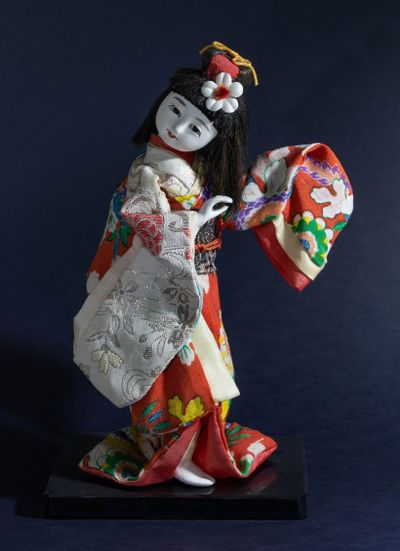
ningyou
Common
Relative commonness of this word, based on various sources (incl. newspapers)
CommonJLPT N4
Kanji difficulty according to the Japanese Language Proficiency Test. N5 is easiest and N1 is hardest
JLPT N4Noun (common)
Noun (common) (futsuumeishi)
Noun (common)doll; puppet; figure
EXAMPLEあの人形怖い。That doll is scary.
妄もう想そう妄もう想そう
妄
もう
想
そう
妄
もう
想
そう
Show answer(Space)
Suspend(@)
妄もう想そう妄もう想そう
妄
もう
想
そう
妄
もう
想
そう
mousou
Common
Relative commonness of this word, based on various sources (incl. newspapers)
CommonNoun (common)
Noun (common) (futsuumeishi)
Noun (common)Noun/participle taking aux. verb する
Noun or participle which takes the aux. verb suru
Noun/participle taking aux. verb するwild idea; delusion
妄
もう
想
そう
妄
もう
想
そう
mousou
wild idea; delusion
婦ふ人じん婦ふ人じん
婦
ふ
人
じん
婦
ふ
人
じん
Show answer(Space)
Suspend(@)

Fujin: Photo by RODNAE Productions on Pexels
婦ふ人じん婦ふ人じん
婦
ふ
人
じん
婦
ふ
人
じん
fujin
Common
Relative commonness of this word, based on various sources (incl. newspapers)
CommonJLPT N2
Kanji difficulty according to the Japanese Language Proficiency Test. N5 is easiest and N1 is hardest
JLPT N2Noun (common)
Noun (common) (futsuumeishi)
Noun (common)Sensitive
Sensitive
SensitiveFujin: Photo by RODNAE Productions on Pexels
婦
ふ
人
じん
婦
ふ
人
じん
fujin
woman; lady; adult female
平へい日じつ平へい日じつ
平
へい
日
じつ
平
へい
日
じつ
Show answer(Space)
Suspend(@)

Heijitsu: Photo by Kanji Alive under Licence
平へい日じつ平へい日じつ
平
へい
日
じつ
平
へい
日
じつ
heijitsu
平
ひら
日
び
平
ひら
日
び
hirabi
weekday; ordinary days (i.e. non-holiday)
Adv. nounAdverbial noun (fukushitekimeishi)Adv. nounkanji radical 73
Heijitsu: Photo by Kanji Alive under Licence
平
へい
日
じつ
平
へい
日
じつ
heijitsu
平
ひら
日
び
平
ひら
日
び
hirabi
weekday; ordinary days (i.e. non-holiday)
手て前まえ手て前まえ
手
て
前
まえ
手
て
前
まえ
Show answer(Space)
Suspend(@)
手て前まえ手て前まえ
手
て
前
まえ
手
て
前
まえ
temae
Common
Relative commonness of this word, based on various sources (incl. newspapers)
CommonJLPT N2
Kanji difficulty according to the Japanese Language Proficiency Test. N5 is easiest and N1 is hardest
JLPT N2before oneself; in front of one; nearby
Noun (common)Noun (common) (futsuumeishi)Noun (common)a bit before reaching (a location); this side (of a location)
Noun (common)Noun (common) (futsuumeishi)Noun (common)one's standpoint; one's appearance; face; honour
Noun (common)Noun (common) (futsuumeishi)Noun (common)skill; dexterity; artistry; ingenuity
Noun (common)Noun (common) (futsuumeishi)Noun (common)I; me
PronounPronounPronounHumble lang.Humble (kenjougo) languageHumble lang.you
PronounPronounPronounMale term/lang.Male term or languageMale term/lang.
手
て
前
まえ
手
て
前
まえ
temae
before oneself; in front of one; nearby
教きょう養よう教きょう養よう
教
きょう
養
よう
教
きょう
養
よう
Show answer(Space)
Suspend(@)
教きょう養よう教きょう養よう
教
きょう
養
よう
教
きょう
養
よう
kyouyou
Common
Relative commonness of this word, based on various sources (incl. newspapers)
CommonJLPT N2
Kanji difficulty according to the Japanese Language Proficiency Test. N5 is easiest and N1 is hardest
JLPT N2Noun (common)
Noun (common) (futsuumeishi)
Noun (common)Noun/participle taking aux. verb する
Noun or participle which takes the aux. verb suru
Noun/participle taking aux. verb するの-adj.
Nouns which may take the genitive case particle 'no'
の-adj.cultivation; refinement; culture; education
EXAMPLEあの人は教養のある人だ。That person is a person of culture.
教
きょう
養
よう
教
きょう
養
よう
kyouyou
cultivation; refinement; culture
Page 1 of 3
Showing 1 to 50 of 144 results