Japanese DictionaryYour picture dictionary
188,000+ words4,000+ example sentences4,000+ words with picturesKanji and kana
Showing results for search: 者
Page 1 of 7
Showing 1 to 50 of 307 results
者もの者もの
者
もの
者
もの
Show answer(Space)
Suspend(@)
者もの者もの
者
もの
者
もの
mono
Common
Relative commonness of this word, based on various sources (incl. newspapers)
CommonNoun (common)
Noun (common) (futsuumeishi)
Noun (common)person
者
もの
者
もの
mono
person

論ろん者しゃ論ろん者しゃ
論
ろん
者
しゃ
論
ろん
者
しゃ
Show answer(Space)
Suspend(@)
論ろん者しゃ論ろん者しゃ
論
ろん
者
しゃ
論
ろん
者
しゃ
ronsha
Common
Relative commonness of this word, based on various sources (incl. newspapers)
CommonNoun (common)
Noun (common) (futsuumeishi)
Noun (common)advocate; disputant; debater
(present) writer; author
論
ろん
者
しゃ
論
ろん
者
しゃ
ronsha
advocate; disputant; debater
訳やく者しゃ訳やく者しゃ
訳
やく
者
しゃ
訳
やく
者
しゃ
Show answer(Space)
Suspend(@)
訳やく者しゃ訳やく者しゃ
訳
やく
者
しゃ
訳
やく
者
しゃ
yakusha
Common
Relative commonness of this word, based on various sources (incl. newspapers)
CommonNoun (common)
Noun (common) (futsuumeishi)
Noun (common)translator
訳
やく
者
しゃ
訳
やく
者
しゃ
yakusha
translator
勝しょう者しゃ勝しょう者しゃ
勝
しょう
者
しゃ
勝
しょう
者
しゃ
Show answer(Space)
Suspend(@)
勝しょう者しゃ勝しょう者しゃ
勝
しょう
者
しゃ
勝
しょう
者
しゃ
shousha
Common
Relative commonness of this word, based on various sources (incl. newspapers)
CommonNoun (common)
Noun (common) (futsuumeishi)
Noun (common)winner; victor
勝
しょう
者
しゃ
勝
しょう
者
しゃ
shousha
winner; victor
研けん究きゅう者しゃ研けん究きゅう者しゃ
研
けん
究
きゅう
者
しゃ
研
けん
究
きゅう
者
しゃ
Show answer(Space)
Suspend(@)

Kenkyuusha: Photo by Artem Podrez on Pexels
研けん究きゅう者しゃ研けん究きゅう者しゃ
研
けん
究
きゅう
者
しゃ
研
けん
究
きゅう
者
しゃ
kenkyuusha
Common
Relative commonness of this word, based on various sources (incl. newspapers)
CommonJLPT N4
Kanji difficulty according to the Japanese Language Proficiency Test. N5 is easiest and N1 is hardest
JLPT N4JLPT N5
Kanji difficulty according to the Japanese Language Proficiency Test. N5 is easiest and N1 is hardest
JLPT N5Noun (common)
Noun (common) (futsuumeishi)
Noun (common)researcher
Kenkyuusha: Photo by Artem Podrez on Pexels
研
けん
究
きゅう
者
しゃ
研
けん
究
きゅう
者
しゃ
kenkyuusha
researcher
悪わる者もの悪わる者もの
悪
わる
者
もの
悪
わる
者
もの
Show answer(Space)
Suspend(@)

怠なまけ者もの怠なまけ者もの
怠
なま
け
者
もの
怠
なま
け
者
もの
Show answer(Space)
Suspend(@)
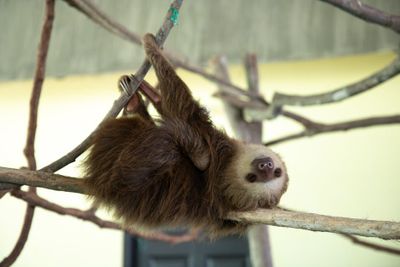
Namakemono: Photo by Roxanne Minnish on Pexels
怠なまけ者もの怠なまけ者もの
怠
なま
け
者
もの
怠
なま
け
者
もの
namakemono
Common
Relative commonness of this word, based on various sources (incl. newspapers)
CommonJLPT N3
Kanji difficulty according to the Japanese Language Proficiency Test. N5 is easiest and N1 is hardest
JLPT N3Genki Ch. 19
Appears in chapter 19 of the Genki textbook
Genki Ch. 19Noun (common)
Noun (common) (futsuumeishi)
Noun (common)Namakemono: Photo by Roxanne Minnish on Pexels
怠
なま
け
者
もの
怠
なま
け
者
もの
namakemono
lazy person; lazy fellow; slothful person
裏うら切ぎり者もの裏うら切ぎり者もの
裏
うら
切
ぎ
り
者
もの
裏
うら
切
ぎ
り
者
もの
Show answer(Space)
Suspend(@)
裏うら切ぎり者もの裏うら切ぎり者もの
裏
うら
切
ぎ
り
者
もの
裏
うら
切
ぎ
り
者
もの
uragirimono
Common
Relative commonness of this word, based on various sources (incl. newspapers)
CommonNoun (common)
Noun (common) (futsuumeishi)
Noun (common)betrayer; traitor; turncoat; informer
裏
うら
切
ぎ
り
者
もの
裏
うら
切
ぎ
り
者
もの
uragirimono
betrayer; traitor; turncoat; informer
働はたらき者もの働はたらき者もの
働
はたら
き
者
もの
働
はたら
き
者
もの
Show answer(Space)
Suspend(@)
働はたらき者もの働はたらき者もの
働
はたら
き
者
もの
働
はたら
き
者
もの
hatarakimono
Common
Relative commonness of this word, based on various sources (incl. newspapers)
CommonJLPT N3
Kanji difficulty according to the Japanese Language Proficiency Test. N5 is easiest and N1 is hardest
JLPT N3Noun (common)
Noun (common) (futsuumeishi)
Noun (common)hard worker; hardworking person
EXAMPLEトムは働き者だ。Tom is a hard worker.
働
はたら
き
者
もの
働
はたら
き
者
もの
hatarakimono
hard worker; hardworking person
科か学がく者しゃ科か学がく者しゃ
科
か
学
がく
者
しゃ
科
か
学
がく
者
しゃ
Show answer(Space)
Suspend(@)

Kagakusha: Photo by Chokniti Khongchum on Pexels
科か学がく者しゃ科か学がく者しゃ
科
か
学
がく
者
しゃ
科
か
学
がく
者
しゃ
kagakusha
Common
Relative commonness of this word, based on various sources (incl. newspapers)
CommonNoun (common)
Noun (common) (futsuumeishi)
Noun (common)scientist
Kagakusha: Photo by Chokniti Khongchum on Pexels
科
か
学
がく
者
しゃ
科
か
学
がく
者
しゃ
kagakusha
scientist
経けい営えい者しゃ経けい営えい者しゃ
経
けい
営
えい
者
しゃ
経
けい
営
えい
者
しゃ
Show answer(Space)
Suspend(@)

Keieisha: Photo by Andrea Piacquadio on Pexels
経けい営えい者しゃ経けい営えい者しゃ
経
けい
営
えい
者
しゃ
経
けい
営
えい
者
しゃ
keieisha
Common
Relative commonness of this word, based on various sources (incl. newspapers)
CommonNoun (common)
Noun (common) (futsuumeishi)
Noun (common)manager; proprietor
Keieisha: Photo by Andrea Piacquadio on Pexels
経
けい
営
えい
者
しゃ
経
けい
営
えい
者
しゃ
keieisha
manager; proprietor
技ぎ術じゅつ者しゃ技ぎ術じゅつ者しゃ
技
ぎ
術
じゅつ
者
しゃ
技
ぎ
術
じゅつ
者
しゃ
Show answer(Space)
Suspend(@)

Gijutsusha: Photo by RF._.studio on Pexels
技ぎ術じゅつ者しゃ技ぎ術じゅつ者しゃ
技
ぎ
術
じゅつ
者
しゃ
技
ぎ
術
じゅつ
者
しゃ
gijutsusha
Common
Relative commonness of this word, based on various sources (incl. newspapers)
CommonNoun (common)
Noun (common) (futsuumeishi)
Noun (common)engineer; technical expert; technician; craftsperson
Gijutsusha: Photo by RF._.studio on Pexels
技
ぎ
術
じゅつ
者
しゃ
技
ぎ
術
じゅつ
者
しゃ
gijutsusha
engineer; technical expert; technician
応おう募ぼ者しゃ応おう募ぼ者しゃ
応
おう
募
ぼ
者
しゃ
応
おう
募
ぼ
者
しゃ
Show answer(Space)
Suspend(@)

Oubosha: Photo by Cytonn Photography on Pexels
Oubosha: Photo by Cytonn Photography on Pexels
応
おう
募
ぼ
者
しゃ
応
おう
募
ぼ
者
しゃ
oubosha
applicant
管かん理り者しゃ管かん理り者しゃ
管
かん
理
り
者
しゃ
管
かん
理
り
者
しゃ
Show answer(Space)
Suspend(@)

Kanrisha: Photo by Andrea Piacquadio on Pexels
管かん理り者しゃ管かん理り者しゃ
管
かん
理
り
者
しゃ
管
かん
理
り
者
しゃ
kanrisha
Common
Relative commonness of this word, based on various sources (incl. newspapers)
CommonNoun (common)
Noun (common) (futsuumeishi)
Noun (common)manager; landlord; warden; superintendent; supervisor; custodian
root (user)
Kanrisha: Photo by Andrea Piacquadio on Pexels
管
かん
理
り
者
しゃ
管
かん
理
り
者
しゃ
kanrisha
manager; landlord; warden; superintendent
犯はん罪ざい者しゃ犯はん罪ざい者しゃ
犯
はん
罪
ざい
者
しゃ
犯
はん
罪
ざい
者
しゃ
Show answer(Space)
Suspend(@)
犯はん罪ざい者しゃ犯はん罪ざい者しゃ
犯
はん
罪
ざい
者
しゃ
犯
はん
罪
ざい
者
しゃ
hanzaisha
Common
Relative commonness of this word, based on various sources (incl. newspapers)
CommonNoun (common)
Noun (common) (futsuumeishi)
Noun (common)criminal; culprit
犯
はん
罪
ざい
者
しゃ
犯
はん
罪
ざい
者
しゃ
hanzaisha
criminal; culprit
出し席ゅっせき者しゃ出し席ゅっせき者しゃ
出
し
席
ゅっせき
者
しゃ
出
し
席
ゅっせき
者
しゃ
Show answer(Space)
Suspend(@)
出し席ゅっせき者しゃ出し席ゅっせき者しゃ
出
し
席
ゅっせき
者
しゃ
出
し
席
ゅっせき
者
しゃ
shussekisha
Common
Relative commonness of this word, based on various sources (incl. newspapers)
CommonNoun (common)
Noun (common) (futsuumeishi)
Noun (common)those present; attendance
出
し
席
ゅっせき
者
しゃ
出
し
席
ゅっせき
者
しゃ
shussekisha
those present; attendance
保ほ護ご者しゃ保ほ護ご者しゃ
保
ほ
護
ご
者
しゃ
保
ほ
護
ご
者
しゃ
Show answer(Space)
Suspend(@)
保ほ護ご者しゃ保ほ護ご者しゃ
保
ほ
護
ご
者
しゃ
保
ほ
護
ご
者
しゃ
hogosha
Common
Relative commonness of this word, based on various sources (incl. newspapers)
CommonNoun (common)
Noun (common) (futsuumeishi)
Noun (common)guardian; protector; patron; parent
保
ほ
護
ご
者
しゃ
保
ほ
護
ご
者
しゃ
hogosha
guardian; protector; patron; parent
未み成せい年ねん者しゃ未み成せい年ねん者しゃ
未
み
成
せい
年
ねん
者
しゃ
未
み
成
せい
年
ねん
者
しゃ
Show answer(Space)
Suspend(@)
未み成せい年ねん者しゃ未み成せい年ねん者しゃ
未
み
成
せい
年
ねん
者
しゃ
未
み
成
せい
年
ねん
者
しゃ
miseinensha
Common
Relative commonness of this word, based on various sources (incl. newspapers)
CommonNoun (common)
Noun (common) (futsuumeishi)
Noun (common)minor; person under age
未
み
成
せい
年
ねん
者
しゃ
未
み
成
せい
年
ねん
者
しゃ
miseinensha
minor; person under age
所しょ有ゆう者しゃ所しょ有ゆう者しゃ
所
しょ
有
ゆう
者
しゃ
所
しょ
有
ゆう
者
しゃ
Show answer(Space)
Suspend(@)
所しょ有ゆう者しゃ所しょ有ゆう者しゃ
所
しょ
有
ゆう
者
しゃ
所
しょ
有
ゆう
者
しゃ
shoyuusha
Common
Relative commonness of this word, based on various sources (incl. newspapers)
CommonJLPT N1
Kanji difficulty according to the Japanese Language Proficiency Test. N5 is easiest and N1 is hardest
JLPT N1Noun (common)
Noun (common) (futsuumeishi)
Noun (common)owner
所
しょ
有
ゆう
者
しゃ
所
しょ
有
ゆう
者
しゃ
shoyuusha
owner
旅りょ行こう者しゃ旅りょ行こう者しゃ
旅
りょ
行
こう
者
しゃ
旅
りょ
行
こう
者
しゃ
Show answer(Space)
Suspend(@)
旅りょ行こう者しゃ旅りょ行こう者しゃ
旅
りょ
行
こう
者
しゃ
旅
りょ
行
こう
者
しゃ
ryokousha
Common
Relative commonness of this word, based on various sources (incl. newspapers)
CommonNoun (common)
Noun (common) (futsuumeishi)
Noun (common)traveller; traveler
旅
りょ
行
こう
者
しゃ
旅
りょ
行
こう
者
しゃ
ryokousha
traveller; traveler
労ろう働どう者しゃ労ろう働どう者しゃ
労
ろう
働
どう
者
しゃ
労
ろう
働
どう
者
しゃ
Show answer(Space)
Suspend(@)
労ろう働どう者しゃ労ろう働どう者しゃ
労
ろう
働
どう
者
しゃ
労
ろう
働
どう
者
しゃ
roudousha
Common
Relative commonness of this word, based on various sources (incl. newspapers)
CommonJLPT N2
Kanji difficulty according to the Japanese Language Proficiency Test. N5 is easiest and N1 is hardest
JLPT N2Noun (common)
Noun (common) (futsuumeishi)
Noun (common)employee; worker
laborer (labourer); blue-collar worker
労
ろう
働
どう
者
しゃ
労
ろう
働
どう
者
しゃ
roudousha
employee; worker
訪ほう問もん者しゃ訪ほう問もん者しゃ
訪
ほう
問
もん
者
しゃ
訪
ほう
問
もん
者
しゃ
Show answer(Space)
Suspend(@)
訪ほう問もん者しゃ訪ほう問もん者しゃ
訪
ほう
問
もん
者
しゃ
訪
ほう
問
もん
者
しゃ
houmonsha
Common
Relative commonness of this word, based on various sources (incl. newspapers)
CommonNoun (common)
Noun (common) (futsuumeishi)
Noun (common)visitor
訪
ほう
問
もん
者
しゃ
訪
ほう
問
もん
者
しゃ
houmonsha
visitor
出し身ゅっしん者しゃ出し身ゅっしん者しゃ
出
し
身
ゅっしん
者
しゃ
出
し
身
ゅっしん
者
しゃ
Show answer(Space)
Suspend(@)
出し身ゅっしん者しゃ出し身ゅっしん者しゃ
出
し
身
ゅっしん
者
しゃ
出
し
身
ゅっしん
者
しゃ
shusshinsha
Common
Relative commonness of this word, based on various sources (incl. newspapers)
CommonNoun (common)
Noun (common) (futsuumeishi)
Noun (common)alumnus (alumnae); graduate; old boy (girl)
former member of an organization
former inhabitant (country, region, etc.)
出
し
身
ゅっしん
者
しゃ
出
し
身
ゅっしん
者
しゃ
shusshinsha
alumnus (alumnae); graduate
候こう補ほ者しゃ候こう補ほ者しゃ
候
こう
補
ほ
者
しゃ
候
こう
補
ほ
者
しゃ
Show answer(Space)
Suspend(@)
候こう補ほ者しゃ候こう補ほ者しゃ
候
こう
補
ほ
者
しゃ
候
こう
補
ほ
者
しゃ
kouhosha
Common
Relative commonness of this word, based on various sources (incl. newspapers)
CommonJLPT N2
Kanji difficulty according to the Japanese Language Proficiency Test. N5 is easiest and N1 is hardest
JLPT N2Noun (common)
Noun (common) (futsuumeishi)
Noun (common)candidate; applicant
EXAMPLE候補者はたくさんいた。There were lots of candidates.
候
こう
補
ほ
者
しゃ
候
こう
補
ほ
者
しゃ
kouhosha
candidate; applicant
指し導どう者しゃ指し導どう者しゃ
指
し
導
どう
者
しゃ
指
し
導
どう
者
しゃ
Show answer(Space)
Suspend(@)
指し導どう者しゃ指し導どう者しゃ
指
し
導
どう
者
しゃ
指
し
導
どう
者
しゃ
shidousha
Common
Relative commonness of this word, based on various sources (incl. newspapers)
CommonJLPT N2
Kanji difficulty according to the Japanese Language Proficiency Test. N5 is easiest and N1 is hardest
JLPT N2Noun (common)
Noun (common) (futsuumeishi)
Noun (common)leader; guide; mentor; coach
指
し
導
どう
者
しゃ
指
し
導
どう
者
しゃ
shidousha
leader; guide; mentor; coach
被ひ害がい者しゃ被ひ害がい者しゃ
被
ひ
害
がい
者
しゃ
被
ひ
害
がい
者
しゃ
Show answer(Space)
Suspend(@)
被ひ害がい者しゃ被ひ害がい者しゃ
被
ひ
害
がい
者
しゃ
被
ひ
害
がい
者
しゃ
higaisha
Common
Relative commonness of this word, based on various sources (incl. newspapers)
CommonJLPT N3
Kanji difficulty according to the Japanese Language Proficiency Test. N5 is easiest and N1 is hardest
JLPT N3Noun (common)
Noun (common) (futsuumeishi)
Noun (common)victim; injured party; sufferer
被
ひ
害
がい
者
しゃ
被
ひ
害
がい
者
しゃ
higaisha
victim; injured party; sufferer
教きょう育いく者しゃ教きょう育いく者しゃ
教
きょう
育
いく
者
しゃ
教
きょう
育
いく
者
しゃ
Show answer(Space)
Suspend(@)
教きょう育いく者しゃ教きょう育いく者しゃ
教
きょう
育
いく
者
しゃ
教
きょう
育
いく
者
しゃ
kyouikusha
Common
Relative commonness of this word, based on various sources (incl. newspapers)
CommonNoun (common)
Noun (common) (futsuumeishi)
Noun (common)educator; teacher; educationalist
教
きょう
育
いく
者
しゃ
教
きょう
育
いく
者
しゃ
kyouikusha
educator; teacher; educationalist
死し傷しょう者しゃ死し傷しょう者しゃ
死
し
傷
しょう
者
しゃ
死
し
傷
しょう
者
しゃ
Show answer(Space)
Suspend(@)
死し傷しょう者しゃ死し傷しょう者しゃ
死
し
傷
しょう
者
しゃ
死
し
傷
しょう
者
しゃ
shishousha
Common
Relative commonness of this word, based on various sources (incl. newspapers)
CommonNoun (common)
Noun (common) (futsuumeishi)
Noun (common)casualties; killed and wounded
死
し
傷
しょう
者
しゃ
死
し
傷
しょう
者
しゃ
shishousha
casualties; killed and wounded
文ぶん学がく者しゃ文ぶん学がく者しゃ
文
ぶん
学
がく
者
しゃ
文
ぶん
学
がく
者
しゃ
Show answer(Space)
Suspend(@)
文ぶん学がく者しゃ文ぶん学がく者しゃ
文
ぶん
学
がく
者
しゃ
文
ぶん
学
がく
者
しゃ
bungakusha
Common
Relative commonness of this word, based on various sources (incl. newspapers)
CommonNoun (common)
Noun (common) (futsuumeishi)
Noun (common)scholar of literature; literary person; man of letters
writer
文
ぶん
学
がく
者
しゃ
文
ぶん
学
がく
者
しゃ
bungakusha
scholar of literature; literary person
消しょう費ひ者しゃ消しょう費ひ者しゃ
消
しょう
費
ひ
者
しゃ
消
しょう
費
ひ
者
しゃ
Show answer(Space)
Suspend(@)
消しょう費ひ者しゃ消しょう費ひ者しゃ
消
しょう
費
ひ
者
しゃ
消
しょう
費
ひ
者
しゃ
shouhisha
Common
Relative commonness of this word, based on various sources (incl. newspapers)
CommonNoun (common)
Noun (common) (futsuumeishi)
Noun (common)consumer
消
しょう
費
ひ
者
しゃ
消
しょう
費
ひ
者
しゃ
shouhisha
consumer
犠ぎ牲せい者しゃ犠ぎ牲せい者しゃ
犠
ぎ
牲
せい
者
しゃ
犠
ぎ
牲
せい
者
しゃ
Show answer(Space)
Suspend(@)
犠ぎ牲せい者しゃ犠ぎ牲せい者しゃ
犠
ぎ
牲
せい
者
しゃ
犠
ぎ
牲
せい
者
しゃ
giseisha
Common
Relative commonness of this word, based on various sources (incl. newspapers)
CommonJLPT N1
Kanji difficulty according to the Japanese Language Proficiency Test. N5 is easiest and N1 is hardest
JLPT N1Noun (common)
Noun (common) (futsuumeishi)
Noun (common)victim
EXAMPLEその事故の犠牲者はだれですか。Who is the victim of the accident?
犠
ぎ
牲
せい
者
しゃ
犠
ぎ
牲
せい
者
しゃ
giseisha
victim
歩ほ行こう者しゃ歩ほ行こう者しゃ
歩
ほ
行
こう
者
しゃ
歩
ほ
行
こう
者
しゃ
Show answer(Space)
Suspend(@)
歩ほ行こう者しゃ歩ほ行こう者しゃ
歩
ほ
行
こう
者
しゃ
歩
ほ
行
こう
者
しゃ
hokousha
Common
Relative commonness of this word, based on various sources (incl. newspapers)
CommonJLPT N2
Kanji difficulty according to the Japanese Language Proficiency Test. N5 is easiest and N1 is hardest
JLPT N2Noun (common)
Noun (common) (futsuumeishi)
Noun (common)pedestrian; walker
歩
ほ
行
こう
者
しゃ
歩
ほ
行
こう
者
しゃ
hokousha
pedestrian; walker
参さん加か者しゃ参さん加か者しゃ
参
さん
加
か
者
しゃ
参
さん
加
か
者
しゃ
Show answer(Space)
Suspend(@)
参さん加か者しゃ参さん加か者しゃ
参
さん
加
か
者
しゃ
参
さん
加
か
者
しゃ
sankasha
Common
Relative commonness of this word, based on various sources (incl. newspapers)
CommonJLPT N4
Kanji difficulty according to the Japanese Language Proficiency Test. N5 is easiest and N1 is hardest
JLPT N4Noun (common)
Noun (common) (futsuumeishi)
Noun (common)participant; entrant
EXAMPLE参加者のリストは次のとおりです。The list of participants is as follows.
参
さん
加
か
者
しゃ
参
さん
加
か
者
しゃ
sankasha
participant; entrant
高こう齢れい者しゃ高こう齢れい者しゃ
高
こう
齢
れい
者
しゃ
高
こう
齢
れい
者
しゃ
Show answer(Space)
Suspend(@)
高こう齢れい者しゃ高こう齢れい者しゃ
高
こう
齢
れい
者
しゃ
高
こう
齢
れい
者
しゃ
koureisha
Common
Relative commonness of this word, based on various sources (incl. newspapers)
CommonJLPT N3
Kanji difficulty according to the Japanese Language Proficiency Test. N5 is easiest and N1 is hardest
JLPT N3Noun (common)
Noun (common) (futsuumeishi)
Noun (common)old person; old people
EXAMPLE高齢者のケアについて考えなければならない。We must think about the care of old people.
高
こう
齢
れい
者
しゃ
高
こう
齢
れい
者
しゃ
koureisha
old person; old people
指し揮き者しゃ指し揮き者しゃ
指
し
揮
き
者
しゃ
指
し
揮
き
者
しゃ
Show answer(Space)
Suspend(@)
指し揮き者しゃ指し揮き者しゃ
指
し
揮
き
者
しゃ
指
し
揮
き
者
しゃ
shikisha
Common
Relative commonness of this word, based on various sources (incl. newspapers)
CommonNoun (common)
Noun (common) (futsuumeishi)
Noun (common)(musical) conductor
commander; leader; director
指
し
揮
き
者
しゃ
指
し
揮
き
者
しゃ
shikisha
(musical) conductor
開かい拓たく者しゃ開かい拓たく者しゃ
開
かい
拓
たく
者
しゃ
開
かい
拓
たく
者
しゃ
Show answer(Space)
Suspend(@)
開かい拓たく者しゃ開かい拓たく者しゃ
開
かい
拓
たく
者
しゃ
開
かい
拓
たく
者
しゃ
kaitakusha
Common
Relative commonness of this word, based on various sources (incl. newspapers)
CommonNoun (common)
Noun (common) (futsuumeishi)
Noun (common)pioneer; settler; colonist
開
かい
拓
たく
者
しゃ
開
かい
拓
たく
者
しゃ
kaitakusha
pioneer; settler; colonist
婚こん約やく者しゃ婚こん約やく者しゃ
婚
こん
約
やく
者
しゃ
婚
こん
約
やく
者
しゃ
Show answer(Space)
Suspend(@)
婚こん約やく者しゃ婚こん約やく者しゃ
婚
こん
約
やく
者
しゃ
婚
こん
約
やく
者
しゃ
kon'yakusha
Common
Relative commonness of this word, based on various sources (incl. newspapers)
CommonNoun (common)
Noun (common) (futsuumeishi)
Noun (common)fiance; fiancee
婚
こん
約
やく
者
しゃ
婚
こん
約
やく
者
しゃ
kon'yakusha
fiance; fiancee
配はい偶ぐう者しゃ配はい偶ぐう者しゃ
配
はい
偶
ぐう
者
しゃ
配
はい
偶
ぐう
者
しゃ
Show answer(Space)
Suspend(@)
配はい偶ぐう者しゃ配はい偶ぐう者しゃ
配
はい
偶
ぐう
者
しゃ
配
はい
偶
ぐう
者
しゃ
haiguusha
Common
Relative commonness of this word, based on various sources (incl. newspapers)
CommonJLPT N1
Kanji difficulty according to the Japanese Language Proficiency Test. N5 is easiest and N1 is hardest
JLPT N1Noun (common)
Noun (common) (futsuumeishi)
Noun (common)spouse; wife; husband; partner
配
はい
偶
ぐう
者
しゃ
配
はい
偶
ぐう
者
しゃ
haiguusha
spouse; wife; husband; partner
死し亡ぼう者しゃ死し亡ぼう者しゃ
死
し
亡
ぼう
者
しゃ
死
し
亡
ぼう
者
しゃ
Show answer(Space)
Suspend(@)
死し亡ぼう者しゃ死し亡ぼう者しゃ
死
し
亡
ぼう
者
しゃ
死
し
亡
ぼう
者
しゃ
shibousha
Common
Relative commonness of this word, based on various sources (incl. newspapers)
CommonNoun (common)
Noun (common) (futsuumeishi)
Noun (common)the deceased; deaths; persons killed
死
し
亡
ぼう
者
しゃ
死
し
亡
ぼう
者
しゃ
shibousha
the deceased; deaths; persons killed
視し聴ちょう者しゃ視し聴ちょう者しゃ
視
し
聴
ちょう
者
しゃ
視
し
聴
ちょう
者
しゃ
Show answer(Space)
Suspend(@)
視し聴ちょう者しゃ視し聴ちょう者しゃ
視
し
聴
ちょう
者
しゃ
視
し
聴
ちょう
者
しゃ
shichousha
Common
Relative commonness of this word, based on various sources (incl. newspapers)
CommonJLPT N1
Kanji difficulty according to the Japanese Language Proficiency Test. N5 is easiest and N1 is hardest
JLPT N1Noun (common)
Noun (common) (futsuumeishi)
Noun (common)viewer; (television) audience
視
し
聴
ちょう
者
しゃ
視
し
聴
ちょう
者
しゃ
shichousha
viewer; (television) audience
使し用よう者しゃ使し用よう者しゃ
使
し
用
よう
者
しゃ
使
し
用
よう
者
しゃ
Show answer(Space)
Suspend(@)
使し用よう者しゃ使し用よう者しゃ
使
し
用
よう
者
しゃ
使
し
用
よう
者
しゃ
shiyousha
Common
Relative commonness of this word, based on various sources (incl. newspapers)
CommonNoun (common)
Noun (common) (futsuumeishi)
Noun (common)user; consumer
employer
使
し
用
よう
者
しゃ
使
し
用
よう
者
しゃ
shiyousha
user; consumer
浮ふ浪ろう者しゃ浮ふ浪ろう者しゃ
浮
ふ
浪
ろう
者
しゃ
浮
ふ
浪
ろう
者
しゃ
Show answer(Space)
Suspend(@)
浮ふ浪ろう者しゃ浮ふ浪ろう者しゃ
浮
ふ
浪
ろう
者
しゃ
浮
ふ
浪
ろう
者
しゃ
furousha
Common
Relative commonness of this word, based on various sources (incl. newspapers)
CommonNoun (common)
Noun (common) (futsuumeishi)
Noun (common)vagrant; vagabond; tramp
浮
ふ
浪
ろう
者
しゃ
浮
ふ
浪
ろう
者
しゃ
furousha
vagrant; vagabond; tramp
利り用よう者しゃ利り用よう者しゃ
利
り
用
よう
者
しゃ
利
り
用
よう
者
しゃ
Show answer(Space)
Suspend(@)
利り用よう者しゃ利り用よう者しゃ
利
り
用
よう
者
しゃ
利
り
用
よう
者
しゃ
riyousha
Common
Relative commonness of this word, based on various sources (incl. newspapers)
CommonNoun (common)
Noun (common) (futsuumeishi)
Noun (common)user; end-user; consumer
利
り
用
よう
者
しゃ
利
り
用
よう
者
しゃ
riyousha
user; end-user; consumer
開かい発はつ者しゃ開かい発はつ者しゃ
開
かい
発
はつ
者
しゃ
開
かい
発
はつ
者
しゃ
Show answer(Space)
Suspend(@)
開かい発はつ者しゃ開かい発はつ者しゃ
開
かい
発
はつ
者
しゃ
開
かい
発
はつ
者
しゃ
kaihatsusha
Common
Relative commonness of this word, based on various sources (incl. newspapers)
CommonNoun (common)
Noun (common) (futsuumeishi)
Noun (common)developer
開
かい
発
はつ
者
しゃ
開
かい
発
はつ
者
しゃ
kaihatsusha
developer
伯父おじ者じゃ人ひと伯父おじ者じゃ人ひと
伯父
おじ
者
じゃ
人
ひと
伯父
おじ
者
じゃ
人
ひと
Show answer(Space)
Suspend(@)
伯父おじ者じゃ人ひと伯父おじ者じゃ人ひと
伯父
おじ
者
じゃ
人
ひと
伯父
おじ
者
じゃ
人
ひと
ojijahito
Noun (common)
Noun (common) (futsuumeishi)
Noun (common)伯父
おじ
者
じゃ
人
ひと
伯父
おじ
者
じゃ
人
ひと
ojijahito
uncle
しし
し
し
Show answer(Space)
Suspend(@)
しし
し
し
shi
Common
Relative commonness of this word, based on various sources (incl. newspapers)
CommonParticle
Particle
ParticleConjunction
Conjunction
Conjunctionand; besides; moreover; what's more; not only ... but also
because; since
the thing is; for one thing
し
し
shi
and; besides; moreover; what's more
他ほか他ほか
他
ほか
他
ほか
Show answer(Space)
Suspend(@)

Hoka: Photo by Markus Spiske on Pexels
他ほか他ほか
他
ほか
他
ほか
hoka
Common
Relative commonness of this word, based on various sources (incl. newspapers)
CommonGenki Ch. 18
Appears in chapter 18 of the Genki textbook
Genki Ch. 18Kumadex Intro Vocab eBook
Appears in the "Kumadex Introductory Japanese Vocab" eBook
Kumadex Intro Vocab eBookother (place, thing, person); the rest
Noun (common)Noun (common) (futsuumeishi)Noun (common)の-adj.Nouns which may take the genitive case particle 'no'の-adj.EXAMPLE彼はついにクラスの他の者を抜いた。He finally got ahead of the rest of class.outside; beyond
Noun (common)Noun (common) (futsuumeishi)Noun (common)の-adj.Nouns which may take the genitive case particle 'no'の-adj.Written w/ kanji onlyWord usually written using kana aloneWritten w/ kanji onlynothing except; nothing but; nothing apart from; nothing aside from; no choice (but to)
Adv. nounAdverbial noun (fukushitekimeishi)Adv. nounWritten w/ kanji onlyWord usually written using kana aloneWritten w/ kanji onlyEXAMPLE霧の他には何も見えなかった。We could see nothing but fog.Related:ほかないbesides...; in addition to...
Adv. nounAdverbial noun (fukushitekimeishi)Adv. noun
Hoka: Photo by Markus Spiske on Pexels
他
ほか
他
ほか
hoka
other (place, thing, person); the rest
側がわ側がわ
側
がわ
側
がわ
Show answer(Space)
Suspend(@)
側がわ側がわ
側
がわ
側
がわ
gawa
Common
Relative commonness of this word, based on various sources (incl. newspapers)
CommonNoun (common)
Noun (common) (futsuumeishi)
Noun (common)Suffix
Suffix
Suffixside (of something, or taking someone's side); part
(watch) case
側
がわ
側
がわ
gawa
part
地ち方ほう地ち方ほう
地
ち
方
ほう
地
ち
方
ほう
Show answer(Space)
Suspend(@)
地ち方ほう地ち方ほう
地
ち
方
ほう
地
ち
方
ほう
chihou
Common
Relative commonness of this word, based on various sources (incl. newspapers)
CommonJLPT N3
Kanji difficulty according to the Japanese Language Proficiency Test. N5 is easiest and N1 is hardest
JLPT N3Noun (common)
Noun (common) (futsuumeishi)
Noun (common)district; region; area; locality
EXAMPLEこの地方を寒波が襲った。A cold wave struck this district.the country; countryside; the provinces; rural area
civilian society
地
ち
方
ほう
地
ち
方
ほう
chihou
district; region; area; locality
対たい策さく対たい策さく
対
たい
策
さく
対
たい
策
さく
Show answer(Space)
Suspend(@)
対たい策さく対たい策さく
対
たい
策
さく
対
たい
策
さく
taisaku
Common
Relative commonness of this word, based on various sources (incl. newspapers)
CommonJLPT N1
Kanji difficulty according to the Japanese Language Proficiency Test. N5 is easiest and N1 is hardest
JLPT N1Noun (common)
Noun (common) (futsuumeishi)
Noun (common)measure; step; countermeasure; counterplan; countermove; strategy; preparation (e.g. for a test)
対
たい
策
さく
対
たい
策
さく
taisaku
measure; step; countermeasure; strategy
Page 1 of 7
Showing 1 to 50 of 307 results