
Japanese DictionaryYour picture dictionary
188,000+ words4,000+ example sentences4,000+ words with picturesKanji and kana
Showing results for search: wet
Page 1 of 3
Showing 1 to 50 of 108 results
ウェットウェット
ウェット
ウェット
Show answer(Space)
Suspend(@)
ウェットウェット
ウェット
ウェット
uetto
Common
Relative commonness of this word, based on various sources (incl. newspapers)
Commonな-adj.
Adjectival nouns or quasi-adjectives (keiyodoshi)
な-adj.wet; moist
Noun (common)Noun (common) (futsuumeishi)Noun (common)soft-hearted; tender-hearted; sentimental
ウェット
ウェット
uetto
wet; moist

湿しっ性せい湿しっ性せい
湿
しっ
性
せい
湿
しっ
性
せい
Show answer(Space)
Suspend(@)
湿しっ性せい湿しっ性せい
湿
しっ
性
せい
湿
しっ
性
せい
shissei
Noun (common)
Noun (common) (futsuumeishi)
Noun (common)wet (pleurisy)
湿
しっ
性
せい
湿
しっ
性
せい
shissei
wet (pleurisy)
湿しっ式しき湿しっ式しき
湿
しっ
式
しき
湿
しっ
式
しき
Show answer(Space)
Suspend(@)
湿しっ式しき湿しっ式しき
湿
しっ
式
しき
湿
しっ
式
しき
shisshiki
Noun (common)
Noun (common) (futsuumeishi)
Noun (common)の-adj.
Nouns which may take the genitive case particle 'no'
の-adj.wet (process)
湿
しっ
式
しき
湿
しっ
式
しき
shisshiki
wet (process)
濡ぬれる濡ぬれる
濡
ぬ
れる
濡
ぬ
れる
Show answer(Space)
Suspend(@)
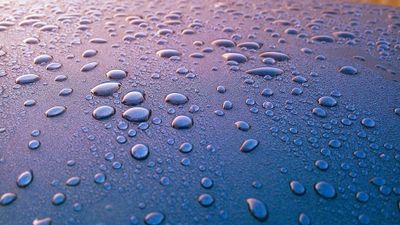
Nureru: Photo by Vlad Kovriga on Pexels
濡ぬれる濡ぬれる
濡
ぬ
れる
濡
ぬ
れる
nureru
Common
Relative commonness of this word, based on various sources (incl. newspapers)
CommonJLPT N3
Kanji difficulty according to the Japanese Language Proficiency Test. N5 is easiest and N1 is hardest
JLPT N3JLPT N4
Kanji difficulty according to the Japanese Language Proficiency Test. N5 is easiest and N1 is hardest
JLPT N4Ichidan verb
Ichidan verb
Ichidan verbIntransitive verb
Intransitive verb
Intransitive verbto get wet
Nureru: Photo by Vlad Kovriga on Pexels
濡
ぬ
れる
濡
ぬ
れる
nureru
to get wet
じめじめじめじめ
じめじめ
じめじめ
Show answer(Space)
Suspend(@)
じめじめじめじめ
じめじめ
じめじめ
jimejime
Common
Relative commonness of this word, based on various sources (incl. newspapers)
CommonJLPT N1
Kanji difficulty according to the Japanese Language Proficiency Test. N5 is easiest and N1 is hardest
JLPT N1Adverb
Adverb (fukushi)
Adverbと-adj.
Adverb taking the 'to' particle
と-adj.Noun/participle taking aux. verb する
Noun or participle which takes the aux. verb suru
Noun/participle taking aux. verb するOnomatopoeic
Onomatopoeic or mimetic word
Onomatopoeicdamp; humid; wet; clammy; muggy; soggy
EXAMPLE今日は、じめじめして寒いですね。It is damp and cold today, isn't it?gloomy; melancholy; depressing
じめじめ
じめじめ
jimejime
damp; humid; wet; clammy; muggy; soggy
びっしょりびっしょり
びっしょり
びっしょり
Show answer(Space)
Suspend(@)
びっしょりびっしょり
びっしょり
びっしょり
bisshori
Common
Relative commonness of this word, based on various sources (incl. newspapers)
CommonJLPT N1
Kanji difficulty according to the Japanese Language Proficiency Test. N5 is easiest and N1 is hardest
JLPT N1な-adj.
Adjectival nouns or quasi-adjectives (keiyodoshi)
な-adj.Adverb
Adverb (fukushi)
AdverbOnomatopoeic
Onomatopoeic or mimetic word
Onomatopoeicwet through; drenched
EXAMPLE夕立にあってびっしょりぬれた。I was caught in an evening shower (rain) and got drenched to the skin.
びっしょり
びっしょり
bisshori
wet through; drenched
潤うるおう潤うるおう
潤
うるお
う
潤
うるお
う
Show answer(Space)
Suspend(@)
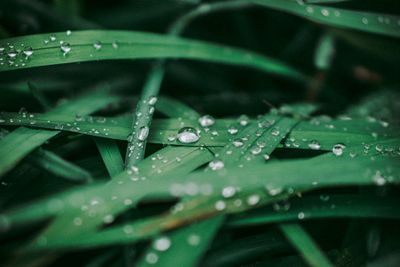
潤うるおう潤うるおう
潤
うるお
う
潤
うるお
う
uruou
Common
Relative commonness of this word, based on various sources (incl. newspapers)
CommonJLPT N1
Kanji difficulty according to the Japanese Language Proficiency Test. N5 is easiest and N1 is hardest
JLPT N1Godan verb w/ う ending
Godan verb with 'u' ending
Godan verb w/ う endingIntransitive verb
Intransitive verb
Intransitive verbto be moist; to be damp; to get wet; to be watered
to profit by; to receive benefits; to receive favors (favours)
to become rich; to become at ease financially
水すい稲とう水すい稲とう
水
すい
稲
とう
水
すい
稲
とう
Show answer(Space)
Suspend(@)
水すい稲とう水すい稲とう
水
すい
稲
とう
水
すい
稲
とう
suitou
Common
Relative commonness of this word, based on various sources (incl. newspapers)
CommonNoun (common)
Noun (common) (futsuumeishi)
Noun (common)wet-land rice
水
すい
稲
とう
水
すい
稲
とう
suitou
wet-land rice
潤うるおす潤うるおす
潤
うるお
す
潤
うるお
す
Show answer(Space)
Suspend(@)
潤うるおす潤うるおす
潤
うるお
す
潤
うるお
す
uruosu
Common
Relative commonness of this word, based on various sources (incl. newspapers)
CommonGodan verb w/ す ending
Godan verb with 'su' ending
Godan verb w/ す endingTransitive verb
Transitive verb
Transitive verbto moisten; to wet
to profit; to enrich; to benefit
潤
うるお
す
潤
うるお
す
uruosu
to moisten; to wet
湿しめる湿しめる
湿
しめ
る
湿
しめ
る
Show answer(Space)
Suspend(@)
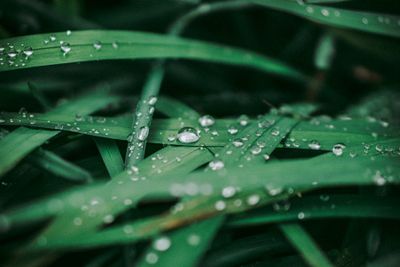
湿しめる湿しめる
湿
しめ
る
湿
しめ
る
shimeru
Common
Relative commonness of this word, based on various sources (incl. newspapers)
CommonJLPT N3
Kanji difficulty according to the Japanese Language Proficiency Test. N5 is easiest and N1 is hardest
JLPT N3Godan verb w/ る ending
Godan verb with 'ru' ending
Godan verb w/ る endingIntransitive verb
Intransitive verb
Intransitive verbto become damp; to become moist; to become wet
to lack energy; to be in a slump; to be in low spirits; to feel depressed
お絞しぼりお絞しぼり
お
絞
しぼ
り
お
絞
しぼ
り
Show answer(Space)
Suspend(@)
お絞しぼりお絞しぼり
お
絞
しぼ
り
お
絞
しぼ
り
oshibori
Common
Relative commonness of this word, based on various sources (incl. newspapers)
CommonJLPT N3
Kanji difficulty according to the Japanese Language Proficiency Test. N5 is easiest and N1 is hardest
JLPT N3Noun (common)
Noun (common) (futsuumeishi)
Noun (common)Written w/ kanji only
Word usually written using kana alone
Written w/ kanji onlywet towel (supplied at table); hot, moistened hand towel
お
絞
しぼ
り
お
絞
しぼ
り
oshibori
wet towel (supplied at table)
びしょ濡ぬれびしょ濡ぬれ
びしょ
濡
ぬ
れ
びしょ
濡
ぬ
れ
Show answer(Space)
Suspend(@)
びしょ濡ぬれびしょ濡ぬれ
びしょ
濡
ぬ
れ
びしょ
濡
ぬ
れ
bishonure
Common
Relative commonness of this word, based on various sources (incl. newspapers)
CommonJLPT N2
Kanji difficulty according to the Japanese Language Proficiency Test. N5 is easiest and N1 is hardest
JLPT N2の-adj.
Nouns which may take the genitive case particle 'no'
の-adj.Noun (common)
Noun (common) (futsuumeishi)
Noun (common)sopping wet; dripping wet; sodden; drenched; soaked
EXAMPLEトムは全身びしょ濡れだった。Tom was drenched from head to toe.
びしょ
濡
ぬ
れ
びしょ
濡
ぬ
れ
bishonure
sopping wet; dripping wet; sodden; soaked
濡ぬらす濡ぬらす
濡
ぬ
らす
濡
ぬ
らす
Show answer(Space)
Suspend(@)
濡ぬらす濡ぬらす
濡
ぬ
らす
濡
ぬ
らす
nurasu
Common
Relative commonness of this word, based on various sources (incl. newspapers)
CommonJLPT N3
Kanji difficulty according to the Japanese Language Proficiency Test. N5 is easiest and N1 is hardest
JLPT N3JLPT N4
Kanji difficulty according to the Japanese Language Proficiency Test. N5 is easiest and N1 is hardest
JLPT N4Godan verb w/ す ending
Godan verb with 'su' ending
Godan verb w/ す endingTransitive verb
Transitive verb
Transitive verbto wet; to moisten; to dampen; to soak; to dip
濡
ぬ
らす
濡
ぬ
らす
nurasu
to wet; to moisten; to dampen; to soak
湿しめっぽい湿しめっぽい
湿
しめ
っぽい
湿
しめ
っぽい
Show answer(Space)
Suspend(@)
湿しめっぽい湿しめっぽい
湿
しめ
っぽい
湿
しめ
っぽい
shimeppoi
Common
Relative commonness of this word, based on various sources (incl. newspapers)
CommonAdj.
Adjective (keiyoushi)
Adj.damp; humid; wet
gloomy; melancholy
湿
しめ
っぽい
湿
しめ
っぽい
shimeppoi
damp; humid; wet
フラスコフラスコ
フラスコ
フラスコ
Show answer(Space)
Suspend(@)
フラスコフラスコ
フラスコ
フラスコ
furasuko
Common
Relative commonness of this word, based on various sources (incl. newspapers)
CommonNoun (common)
Noun (common) (futsuumeishi)
Noun (common)fresco (technique of blending wet plaster with water-based paint)
(laboratory) flask
フラスコ
フラスコ
furasuko
潤うるむ潤うるむ
潤
うる
む
潤
うる
む
Show answer(Space)
Suspend(@)
潤うるむ潤うるむ
潤
うる
む
潤
うる
む
urumu
Common
Relative commonness of this word, based on various sources (incl. newspapers)
CommonJLPT N1
Kanji difficulty according to the Japanese Language Proficiency Test. N5 is easiest and N1 is hardest
JLPT N1Godan verb w/ む ending
Godan verb with 'mu' ending
Godan verb w/ む endingIntransitive verb
Intransitive verb
Intransitive verbto be wet; to be moist
to get dim; to become blurred; to get cloudy; to get muddy; to be bleared
to become tear-choked
潤
うる
む
潤
うる
む
urumu
to be wet; to be moist
びしょびしょびしょびしょ
びしょびしょ
びしょびしょ
Show answer(Space)
Suspend(@)
びしょびしょびしょびしょ
びしょびしょ
びしょびしょ
bishobisho
Common
Relative commonness of this word, based on various sources (incl. newspapers)
CommonJLPT N2
Kanji difficulty according to the Japanese Language Proficiency Test. N5 is easiest and N1 is hardest
JLPT N2Onomatopoeic
Onomatopoeic or mimetic word
Onomatopoeicsoaked; drenched; sopping; soppy; wet
の-adj.Nouns which may take the genitive case particle 'no'の-adj.な-adj.Adjectival nouns or quasi-adjectives (keiyodoshi)な-adj.EXAMPLE川下りでびしょびしょになった。I got soaked boating downriver.incessantly (raining); drizzling
AdverbAdverb (fukushi)Adverbと-adj.Adverb taking the 'to' particleと-adj.
びしょびしょ
びしょびしょ
bishobisho
soaked; drenched; sopping; soppy; wet
濡ぬれ色いろ濡ぬれ色いろ
濡
ぬ
れ
色
いろ
濡
ぬ
れ
色
いろ
Show answer(Space)
Suspend(@)
濡ぬれ色いろ濡ぬれ色いろ
濡
ぬ
れ
色
いろ
濡
ぬ
れ
色
いろ
nureiro
Noun (common)
Noun (common) (futsuumeishi)
Noun (common)color of something wet; colour of something wet
濡
ぬ
れ
色
いろ
濡
ぬ
れ
色
いろ
nureiro
color of something wet
小しょう便べんを漏もらす小しょう便べんを漏もらす
小
しょう
便
べん
を
漏
も
らす
小
しょう
便
べん
を
漏
も
らす
Show answer(Space)
Suspend(@)
小しょう便べんを漏もらす小しょう便べんを漏もらす
小
しょう
便
べん
を
漏
も
らす
小
しょう
便
べん
を
漏
も
らす
shoubenwomorasu
Expr.
Expressions (phrases, clauses, etc.)
Expr.Godan verb w/ す ending
Godan verb with 'su' ending
Godan verb w/ す endingto wet one's pants; to wet oneself
小
しょう
便
べん
を
漏
も
らす
小
しょう
便
べん
を
漏
も
らす
shoubenwomorasu
to wet one's pants; to wet oneself
除じょ菌きんシート除じょ菌きんシート
除
じょ
菌
きん
シート
除
じょ
菌
きん
シート
Show answer(Space)
Suspend(@)
除じょ菌きんシート除じょ菌きんシート
除
じょ
菌
きん
シート
除
じょ
菌
きん
シート
jokinshiito
Noun (common)
Noun (common) (futsuumeishi)
Noun (common)除
じょ
菌
きん
シート
除
じょ
菌
きん
シート
jokinshiito
wet wipes; wet tissues
ぐしょ濡ぬれぐしょ濡ぬれ
ぐしょ
濡
ぬ
れ
ぐしょ
濡
ぬ
れ
Show answer(Space)
Suspend(@)
ぐしょ濡ぬれぐしょ濡ぬれ
ぐしょ
濡
ぬ
れ
ぐしょ
濡
ぬ
れ
gushonure
の-adj.
Nouns which may take the genitive case particle 'no'
の-adj.な-adj.
Adjectival nouns or quasi-adjectives (keiyodoshi)
な-adj.Noun (common)
Noun (common) (futsuumeishi)
Noun (common)sopping wet; dripping wet; sodden; drenched; soaked
ぐしょ
濡
ぬ
れ
ぐしょ
濡
ぬ
れ
gushonure
sopping wet; dripping wet; sodden; soaked
ウェットティッシュウェットティッシュ
ウェットティッシュ
ウェットティッシュ
Show answer(Space)
Suspend(@)
ウェットティッシュウェットティッシュ
ウェットティッシュ
ウェットティッシュ
uettoteisshu
Noun (common)
Noun (common) (futsuumeishi)
Noun (common)ウェットティッシュ
ウェットティッシュ
uettoteisshu
wet wipes; moist towelette; baby wipes
ペンキ塗ぬり立たてペンキ塗ぬり立たて
ペンキ
塗
ぬ
り
立
た
て
ペンキ
塗
ぬ
り
立
た
て
Show answer(Space)
Suspend(@)
ペンキ塗ぬり立たてペンキ塗ぬり立たて
ペンキ
塗
ぬ
り
立
た
て
ペンキ
塗
ぬ
り
立
た
て
penkinuritate
Noun (common)
Noun (common) (futsuumeishi)
Noun (common)wet paint
ペンキ
塗
ぬ
り
立
た
て
ペンキ
塗
ぬ
り
立
た
て
penkinuritate
wet paint
湿しつ舌ぜつ湿しつ舌ぜつ
湿
しつ
舌
ぜつ
湿
しつ
舌
ぜつ
Show answer(Space)
Suspend(@)
湿しつ舌ぜつ湿しつ舌ぜつ
湿
しつ
舌
ぜつ
湿
しつ
舌
ぜつ
shitsuzetsu
Noun (common)
Noun (common) (futsuumeishi)
Noun (common)wet (moist) tongue
湿
しつ
舌
ぜつ
湿
しつ
舌
ぜつ
shitsuzetsu
wet (moist) tongue
湿しつ電でん池ち湿しつ電でん池ち
湿
しつ
電
でん
池
ち
湿
しつ
電
でん
池
ち
Show answer(Space)
Suspend(@)
湿しつ電でん池ち湿しつ電でん池ち
湿
しつ
電
でん
池
ち
湿
しつ
電
でん
池
ち
shitsudenchi
Noun (common)
Noun (common) (futsuumeishi)
Noun (common)湿
しつ
電
でん
池
ち
湿
しつ
電
でん
池
ち
shitsudenchi
wet cell battery
濡ぬれTティーシャツコンテスト濡ぬれTティーシャツコンテスト
濡
ぬ
れ
T
ティー
シャツコンテスト
濡
ぬ
れ
T
ティー
シャツコンテスト
Show answer(Space)
Suspend(@)
濡ぬれTティーシャツコンテスト濡ぬれTティーシャツコンテスト
濡
ぬ
れ
T
ティー
シャツコンテスト
濡
ぬ
れ
T
ティー
シャツコンテスト
nureteiishatsukontesuto
Noun (common)
Noun (common) (futsuumeishi)
Noun (common)wet T-shirt contest
濡
ぬ
れ
T
ティー
シャツコンテスト
濡
ぬ
れ
T
ティー
シャツコンテスト
nureteiishatsukontesuto
wet T-shirt contest
ウエットカットウエットカット
ウエットカット
ウエットカット
Show answer(Space)
Suspend(@)
ウエットカットウエットカット
ウエットカット
ウエットカット
uettokatto
Noun (common)
Noun (common) (futsuumeishi)
Noun (common)wet cut
ウエットカット
ウエットカット
uettokatto
wet cut
ウエットコアウエットコア
ウエットコア
ウエットコア
Show answer(Space)
Suspend(@)
ウエットコアウエットコア
ウエットコア
ウエットコア
uettokoa
Noun (common)
Noun (common) (futsuumeishi)
Noun (common)wet core
ウエットコア
ウエットコア
uettokoa
wet core
乾かん湿しつ球きゅう湿しつ度ど計けい乾かん湿しつ球きゅう湿しつ度ど計けい
乾
かん
湿
しつ
球
きゅう
湿
しつ
度
ど
計
けい
乾
かん
湿
しつ
球
きゅう
湿
しつ
度
ど
計
けい
Show answer(Space)
Suspend(@)
乾かん湿しつ球きゅう湿しつ度ど計けい乾かん湿しつ球きゅう湿しつ度ど計けい
乾
かん
湿
しつ
球
きゅう
湿
しつ
度
ど
計
けい
乾
かん
湿
しつ
球
きゅう
湿
しつ
度
ど
計
けい
kanshitsukyuushitsudokei
Noun (common)
Noun (common) (futsuumeishi)
Noun (common)wet and dry-bulb thermometer
乾
かん
湿
しつ
球
きゅう
湿
しつ
度
ど
計
けい
乾
かん
湿
しつ
球
きゅう
湿
しつ
度
ど
計
けい
kanshitsukyuushitsudokei
wet and dry-bulb thermometer
ウエットクリーニングウエットクリーニング
ウエットクリーニング
ウエットクリーニング
Show answer(Space)
Suspend(@)
ウエットクリーニングウエットクリーニング
ウエットクリーニング
ウエットクリーニング
uettokuriiningu
Noun (common)
Noun (common) (futsuumeishi)
Noun (common)wet cleaning
ウエットクリーニング
ウエットクリーニング
uettokuriiningu
wet cleaning
湿しっ雪せつ湿しっ雪せつ
湿
しっ
雪
せつ
湿
しっ
雪
せつ
Show answer(Space)
Suspend(@)
湿しっ雪せつ湿しっ雪せつ
湿
しっ
雪
せつ
湿
しっ
雪
せつ
shissetsu
Noun (common)
Noun (common) (futsuumeishi)
Noun (common)Obscure
Obscure term
Obscurewet snow
湿
しっ
雪
せつ
湿
しっ
雪
せつ
shissetsu
wet snow
湿しっ食しょく湿しっ食しょく
湿
しっ
食
しょく
湿
しっ
食
しょく
Show answer(Space)
Suspend(@)
湿しっ食しょく湿しっ食しょく
湿
しっ
食
しょく
湿
しっ
食
しょく
shisshoku
Noun (common)
Noun (common) (futsuumeishi)
Noun (common)湿
しっ
食
しょく
湿
しっ
食
しょく
shisshoku
wet corrosion
濡ぬれ手て濡ぬれ手て
濡
ぬ
れ
手
て
濡
ぬ
れ
手
て
Show answer(Space)
Suspend(@)
濡ぬれ手て濡ぬれ手て
濡
ぬ
れ
手
て
濡
ぬ
れ
手
て
nurete
Noun (common)
Noun (common) (futsuumeishi)
Noun (common)wet hands
濡
ぬ
れ
手
て
濡
ぬ
れ
手
て
nurete
wet hands
梅雨つゆ時どき梅雨つゆ時どき
梅雨
つゆ
時
どき
梅雨
つゆ
時
どき
Show answer(Space)
Suspend(@)
梅雨つゆ時どき梅雨つゆ時どき
梅雨
つゆ
時
どき
梅雨
つゆ
時
どき
tsuyudoki
Noun (common)
Noun (common) (futsuumeishi)
Noun (common)wet season; rainy season
梅雨
つゆ
時
どき
梅雨
つゆ
時
どき
tsuyudoki
wet season; rainy season
濡ぬれ雑ぞう巾きん濡ぬれ雑ぞう巾きん
濡
ぬ
れ
雑
ぞう
巾
きん
濡
ぬ
れ
雑
ぞう
巾
きん
Show answer(Space)
Suspend(@)
濡ぬれ雑ぞう巾きん濡ぬれ雑ぞう巾きん
濡
ぬ
れ
雑
ぞう
巾
きん
濡
ぬ
れ
雑
ぞう
巾
きん
nurezoukin
Noun (common)
Noun (common) (futsuumeishi)
Noun (common)wet cloth; damp rag
濡
ぬ
れ
雑
ぞう
巾
きん
濡
ぬ
れ
雑
ぞう
巾
きん
nurezoukin
wet cloth; damp rag
夢む精せい夢む精せい
夢
む
精
せい
夢
む
精
せい
Show answer(Space)
Suspend(@)
夢む精せい夢む精せい
夢
む
精
せい
夢
む
精
せい
musei
Noun (common)
Noun (common) (futsuumeishi)
Noun (common)Noun/participle taking aux. verb する
Noun or participle which takes the aux. verb suru
Noun/participle taking aux. verb するwet dream; nocturnal emission
夢
む
精
せい
夢
む
精
せい
musei
wet dream; nocturnal emission
湿しつ板ばん湿しつ板ばん
湿
しつ
板
ばん
湿
しつ
板
ばん
Show answer(Space)
Suspend(@)
湿しつ板ばん湿しつ板ばん
湿
しつ
板
ばん
湿
しつ
板
ばん
shitsuban
Noun (common)
Noun (common) (futsuumeishi)
Noun (common)wet plate (photography)
湿
しつ
板
ばん
湿
しつ
板
ばん
shitsuban
wet plate (photography)
露つゆに濡ぬれた露つゆに濡ぬれた
露
つゆ
に
濡
ぬ
れた
露
つゆ
に
濡
ぬ
れた
Show answer(Space)
Suspend(@)
露つゆに濡ぬれた露つゆに濡ぬれた
露
つゆ
に
濡
ぬ
れた
露
つゆ
に
濡
ぬ
れた
tsuyuninureta
Prenominal noun/verb
Noun or verb acting prenominally
Prenominal noun/verbwet with dew; dewy
露
つゆ
に
濡
ぬ
れた
露
つゆ
に
濡
ぬ
れた
tsuyuninureta
wet with dew; dewy
張はり板いた張はり板いた
張
はり
板
いた
張
はり
板
いた
Show answer(Space)
Suspend(@)
張はり板いた張はり板いた
張
はり
板
いた
張
はり
板
いた
hariita
Noun (common)
Noun (common) (futsuumeishi)
Noun (common)plank used to dry wet clothes or paper
張
はり
板
いた
張
はり
板
いた
hariita
plank used to dry wet clothes or paper
性せい夢む性せい夢む
性
せい
夢
む
性
せい
夢
む
Show answer(Space)
Suspend(@)
性せい夢む性せい夢む
性
せい
夢
む
性
せい
夢
む
seimu
Noun (common)
Noun (common) (futsuumeishi)
Noun (common)Obscure
Obscure term
Obscuresexual dream; wet dream
性
せい
夢
む
性
せい
夢
む
seimu
sexual dream; wet dream
生せい鮮せん市いち場ば生せい鮮せん市いち場ば
生
せい
鮮
せん
市
いち
場
ば
生
せい
鮮
せん
市
いち
場
ば
Show answer(Space)
Suspend(@)
生せい鮮せん市いち場ば生せい鮮せん市いち場ば
生
せい
鮮
せん
市
いち
場
ば
生
せい
鮮
せん
市
いち
場
ば
seisen'ichiba
Noun (common)
Noun (common) (futsuumeishi)
Noun (common)fresh market; wet market
生
せい
鮮
せん
市
いち
場
ば
生
せい
鮮
せん
市
いち
場
ば
seisen'ichiba
fresh market; wet market
熱ねっ帯たい多た雨う林りん熱ねっ帯たい多た雨う林りん
熱
ねっ
帯
たい
多
た
雨
う
林
りん
熱
ねっ
帯
たい
多
た
雨
う
林
りん
Show answer(Space)
Suspend(@)
熱ねっ帯たい多た雨う林りん熱ねっ帯たい多た雨う林りん
熱
ねっ
帯
たい
多
た
雨
う
林
りん
熱
ねっ
帯
たい
多
た
雨
う
林
りん
nettaitaurin
Noun (common)
Noun (common) (futsuumeishi)
Noun (common)tropical wet forest; tropical rain forest
熱
ねっ
帯
たい
多
た
雨
う
林
りん
熱
ねっ
帯
たい
多
た
雨
う
林
りん
nettaitaurin
tropical wet forest; tropical rain forest
水みず張ばり水みず張ばり
水
みず
張
ば
り
水
みず
張
ば
り
Show answer(Space)
Suspend(@)
水みず張ばり水みず張ばり
水
みず
張
ば
り
水
みず
張
ば
り
mizubari
Noun (common)
Noun (common) (futsuumeishi)
Noun (common)spreading a piece of wet washing or paper on a board
水
みず
張
ば
り
水
みず
張
ば
り
mizubari
熱ねっ帯たい夏か季き少しょう雨う気き候こう熱ねっ帯たい夏か季き少しょう雨う気き候こう
熱
ねっ
帯
たい
夏
か
季
き
少
しょう
雨
う
気
き
候
こう
熱
ねっ
帯
たい
夏
か
季
き
少
しょう
雨
う
気
き
候
こう
Show answer(Space)
Suspend(@)
熱ねっ帯たい夏か季き少しょう雨う気き候こう熱ねっ帯たい夏か季き少しょう雨う気き候こう
熱
ねっ
帯
たい
夏
か
季
き
少
しょう
雨
う
気
き
候
こう
熱
ねっ
帯
たい
夏
か
季
き
少
しょう
雨
う
気
き
候
こう
nettaikakishouukikou
Noun (common)
Noun (common) (futsuumeishi)
Noun (common)tropical wet and dry climate; tropical savannah climate
熱
ねっ
帯
たい
夏
か
季
き
少
しょう
雨
う
気
き
候
こう
熱
ねっ
帯
たい
夏
か
季
き
少
しょう
雨
う
気
き
候
こう
nettaikakishouukikou
tropical wet and dry climate
ずぶ濡ぬれずぶ濡ぬれ
ずぶ
濡
ぬ
れ
ずぶ
濡
ぬ
れ
Show answer(Space)
Suspend(@)
ずぶ濡ぬれずぶ濡ぬれ
ずぶ
濡
ぬ
れ
ずぶ
濡
ぬ
れ
zubunure
の-adj.
Nouns which may take the genitive case particle 'no'
の-adj.Noun (common)
Noun (common) (futsuumeishi)
Noun (common)dripping wet; soaked; drenched
ずぶ
濡
ぬ
れ
ずぶ
濡
ぬ
れ
zubunure
dripping wet; soaked; drenched
冷れい水すい摩ま擦さつ冷れい水すい摩ま擦さつ
冷
れい
水
すい
摩
ま
擦
さつ
冷
れい
水
すい
摩
ま
擦
さつ
Show answer(Space)
Suspend(@)
冷れい水すい摩ま擦さつ冷れい水すい摩ま擦さつ
冷
れい
水
すい
摩
ま
擦
さつ
冷
れい
水
すい
摩
ま
擦
さつ
reisuimasatsu
Noun (common)
Noun (common) (futsuumeishi)
Noun (common)Noun/participle taking aux. verb する
Noun or participle which takes the aux. verb suru
Noun/participle taking aux. verb するrubdown with a wet towel; cold-water rubbing
冷
れい
水
すい
摩
ま
擦
さつ
冷
れい
水
すい
摩
ま
擦
さつ
reisuimasatsu
rubdown with a wet towel
湿しめす湿しめす
湿
しめ
す
湿
しめ
す
Show answer(Space)
Suspend(@)
湿しめす湿しめす
湿
しめ
す
湿
しめ
す
shimesu
Godan verb w/ す ending
Godan verb with 'su' ending
Godan verb w/ す endingTransitive verb
Transitive verb
Transitive verbto wet; to moisten; to dampen
湿
しめ
す
湿
しめ
す
shimesu
to wet; to moisten; to dampen
適てき潤じゅん適てき潤じゅん
適
てき
潤
じゅん
適
てき
潤
じゅん
Show answer(Space)
Suspend(@)
適てき潤じゅん適てき潤じゅん
適
てき
潤
じゅん
適
てき
潤
じゅん
tekijun
Noun (common)
Noun (common) (futsuumeishi)
Noun (common)の-adj.
Nouns which may take the genitive case particle 'no'
の-adj.suitably damp; adequately wet (e.g. for plants)
適
てき
潤
じゅん
適
てき
潤
じゅん
tekijun
suitably damp
濡ぬれそぼつ濡ぬれそぼつ
濡
ぬ
れそぼつ
濡
ぬ
れそぼつ
Show answer(Space)
Suspend(@)
濡ぬれそぼつ濡ぬれそぼつ
濡
ぬ
れそぼつ
濡
ぬ
れそぼつ
nuresobotsu
Godan verb w/ つ ending
Godan verb with 'tsu' ending
Godan verb w/ つ endingto be dripping wet; to get drenched to the skin
濡
ぬ
れそぼつ
濡
ぬ
れそぼつ
nuresobotsu
to be dripping wet
濡ぬれティッシュ濡ぬれティッシュ
濡
ぬ
れティッシュ
濡
ぬ
れティッシュ
Show answer(Space)
Suspend(@)
濡ぬれティッシュ濡ぬれティッシュ
濡
ぬ
れティッシュ
濡
ぬ
れティッシュ
nureteisshu
Noun (common)
Noun (common) (futsuumeishi)
Noun (common)濡
ぬ
れティッシュ
濡
ぬ
れティッシュ
nureteisshu
wet wipes; moist towelette; baby wipes
Page 1 of 3
Showing 1 to 50 of 108 results